
Why do we dumpster dive, why is there so much food in the bins and how do we not get sick? This post explores the risks we face and how we manage them, the reasons things are thrown out and why we dumpster dive.
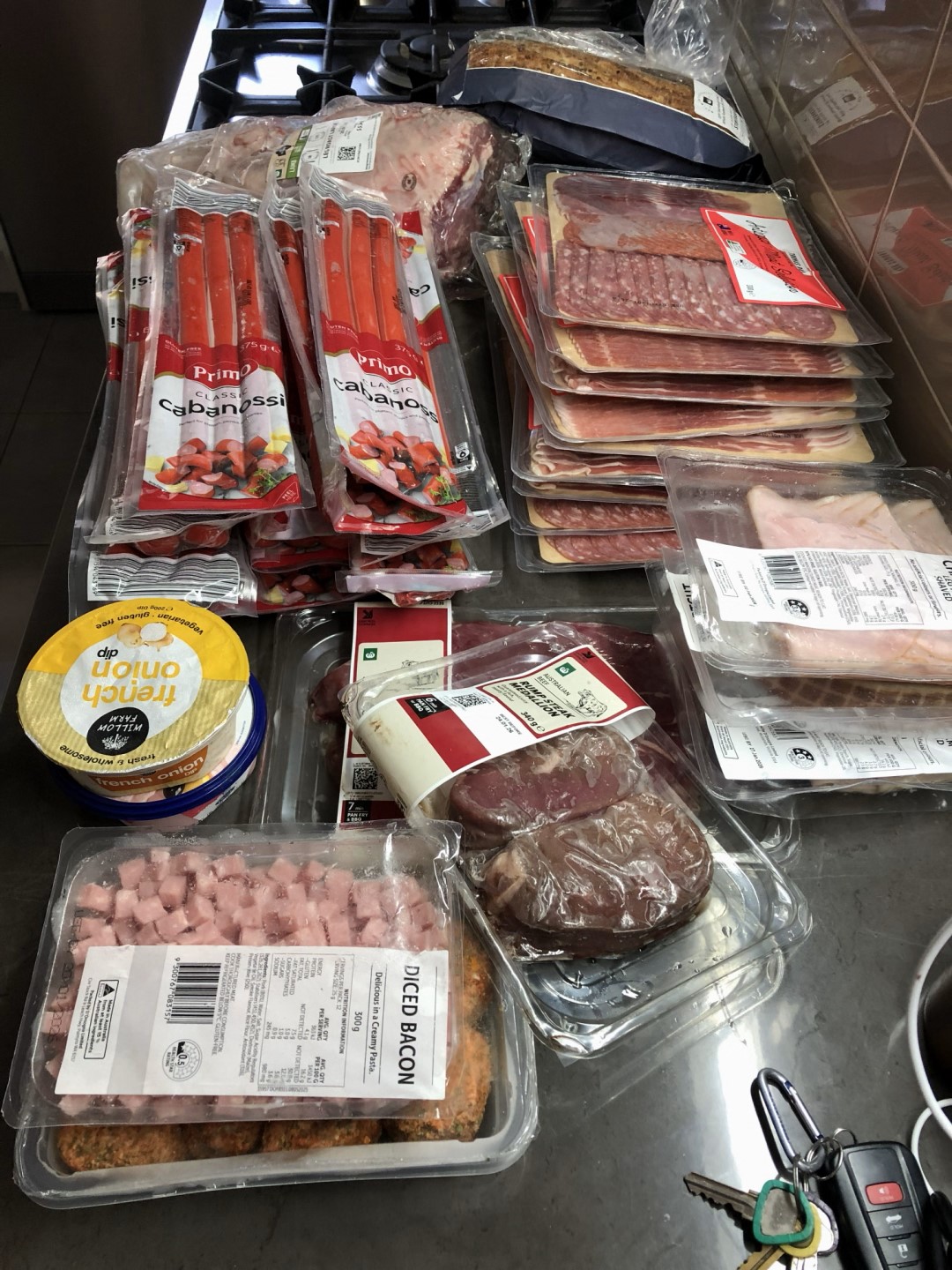
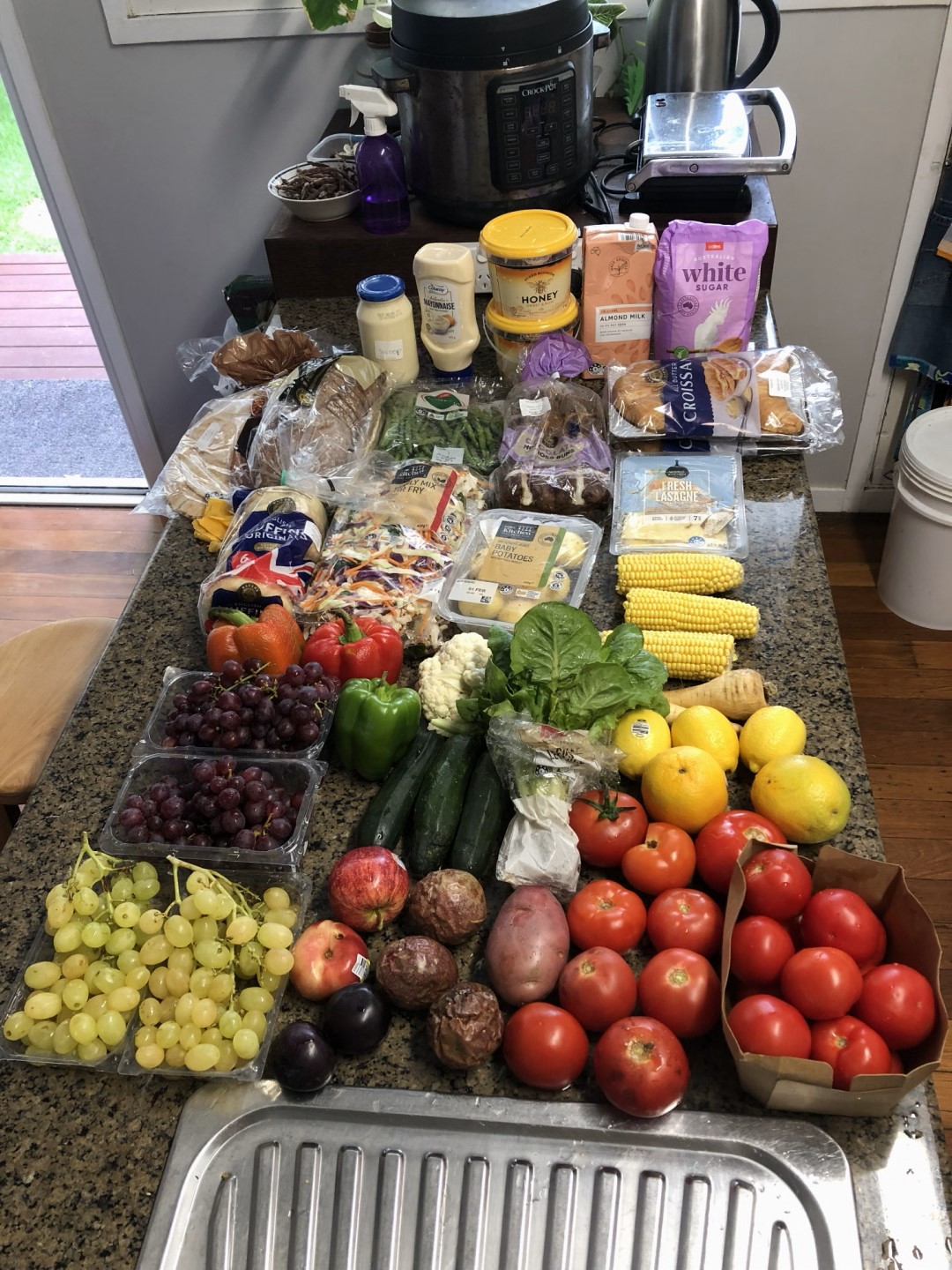
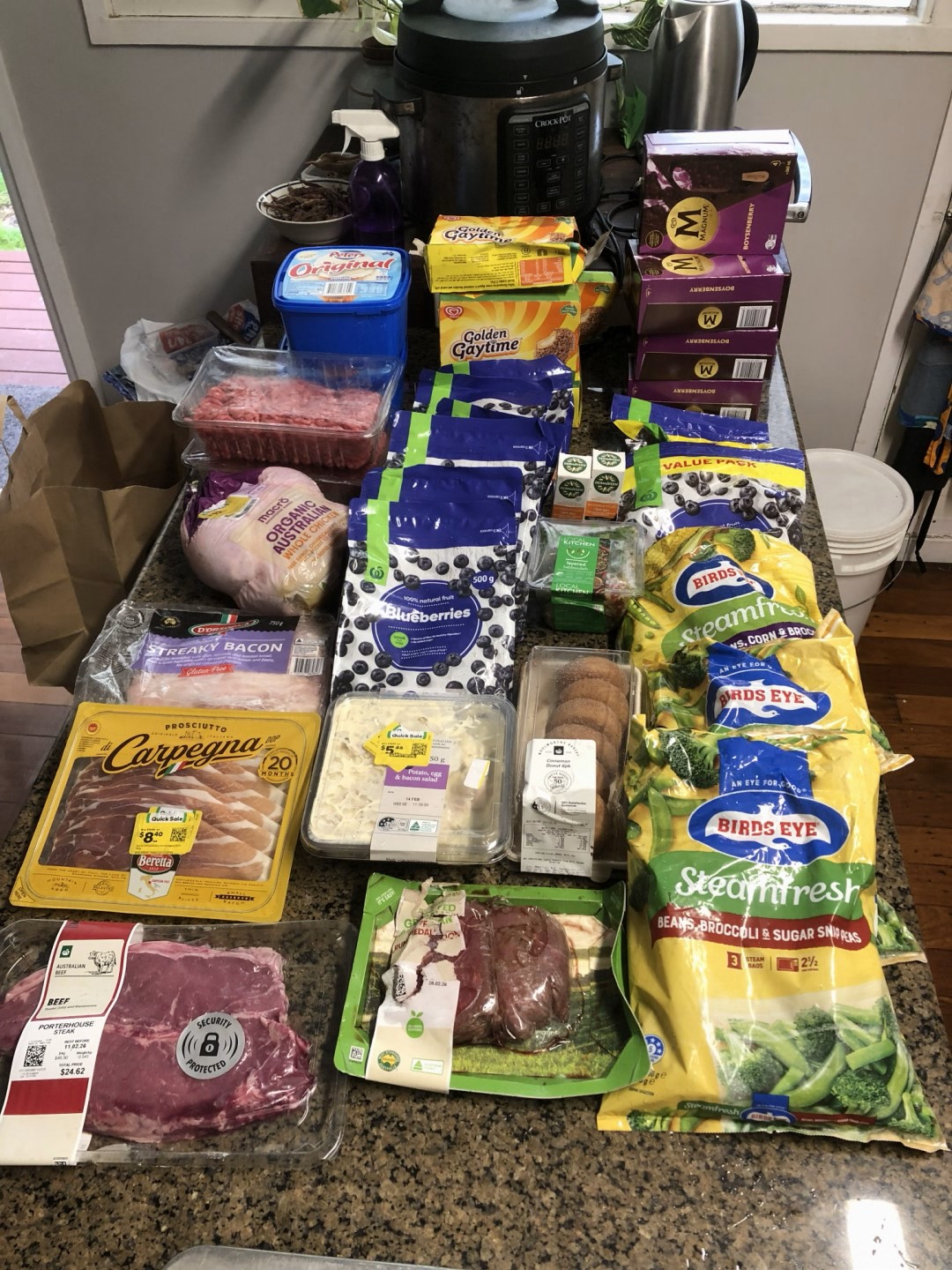
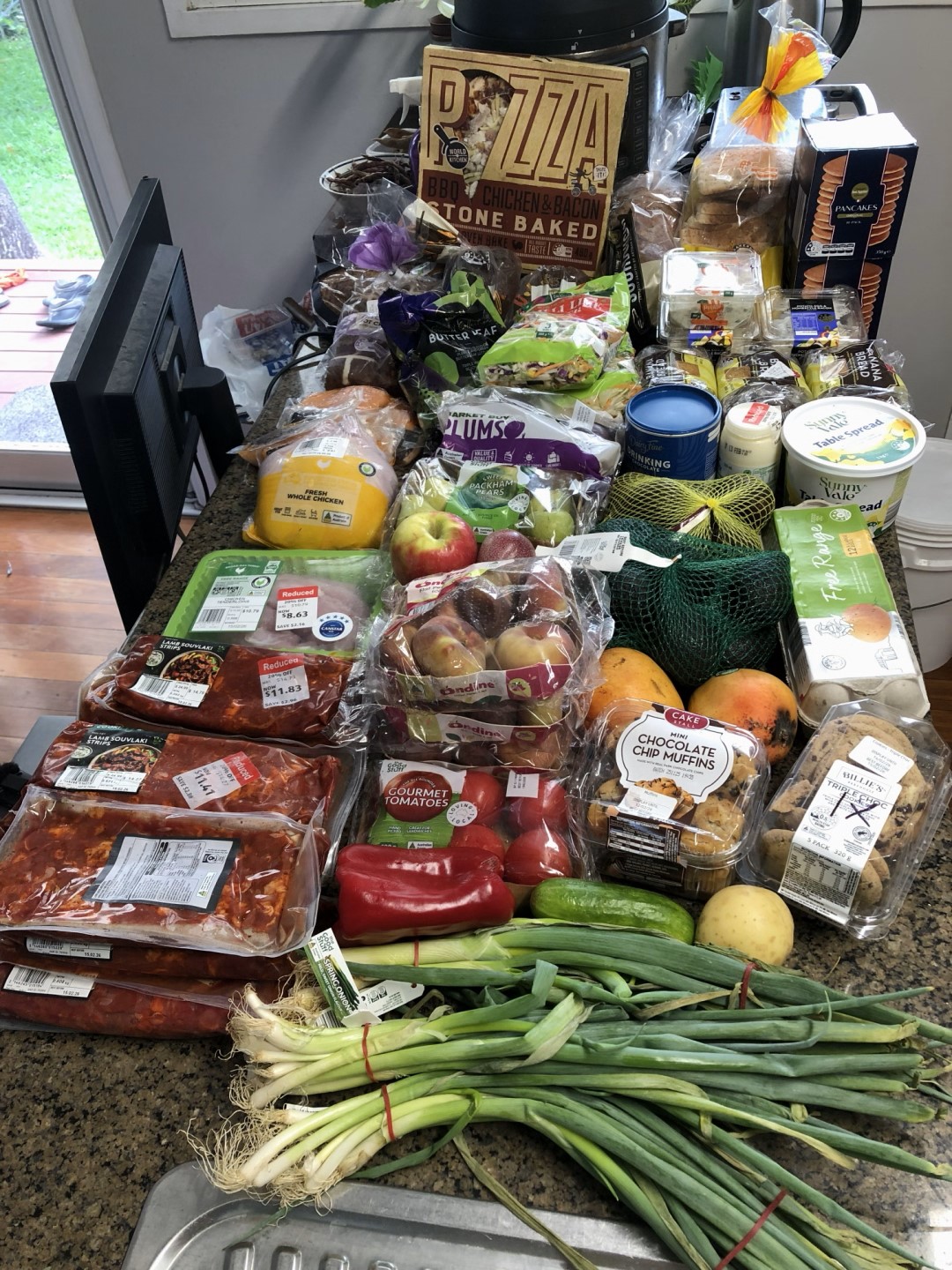
Food Waste in Context
Food waste is immense and Australians are among the worst offenders, throwing out almost 180kg per person each year from retail, restaurants and homes as seen below. A similar amount of food is wasted before even getting to retail.
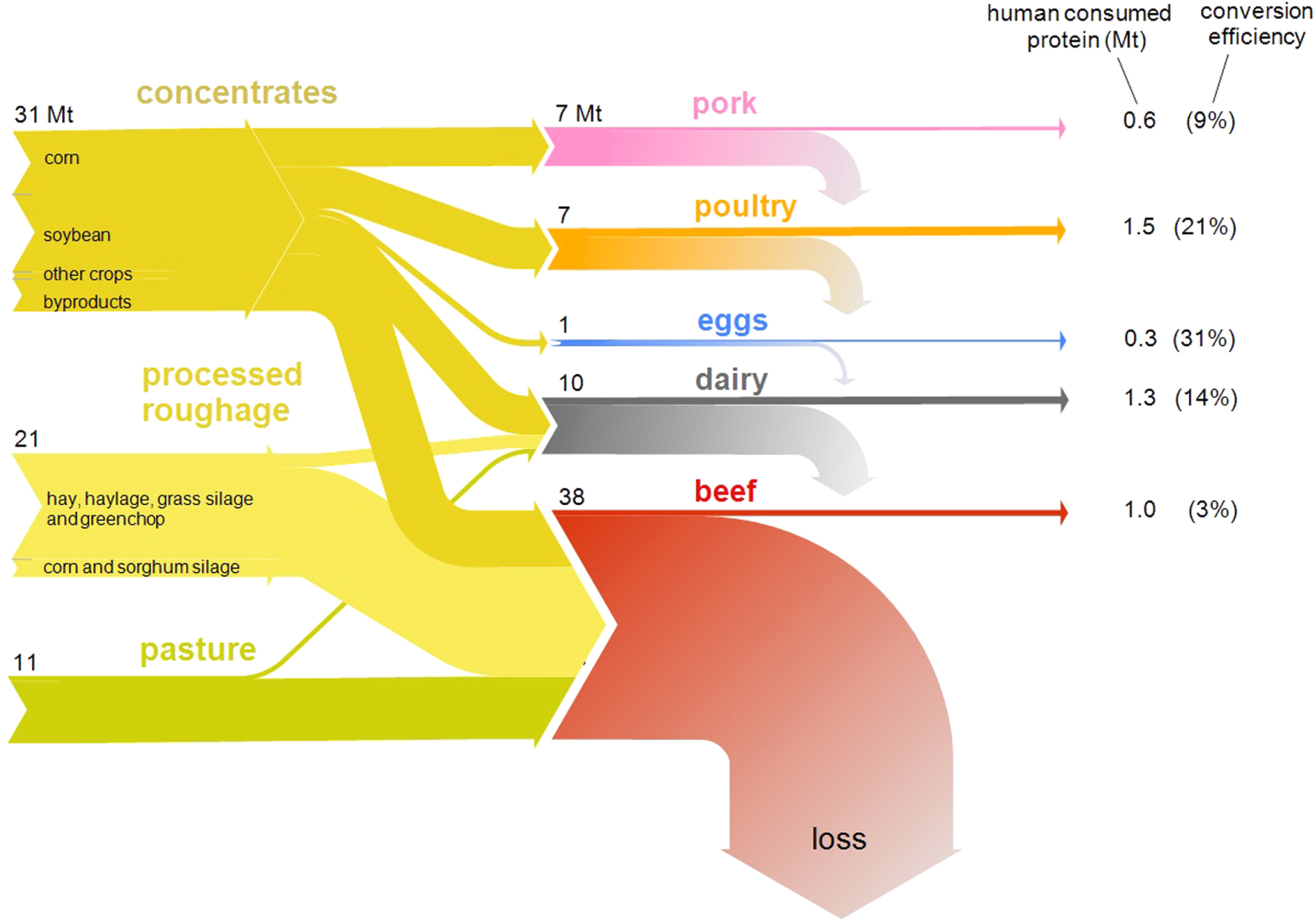
About one third of all food produced globally is discarded.1 In high-income countries, most waste happens at retail and household levels, while cosmetic standards also contribute to on-farm waste. Even greater wastes arise from animal agriculture and bio-fuels. Together these consume more than half of the cereals produced worldwide and 80% of those used in Australia as shown below.
It takes 38kg of plant protein to produce 1kg of beef protein with the rest being excreted to as a nutrient burden on waterways and other natural systems. Chicken is slightly less wasteful, requiring 4.8kg per kilogram. I will discuss biofuel in a future post.
Reducing Waste
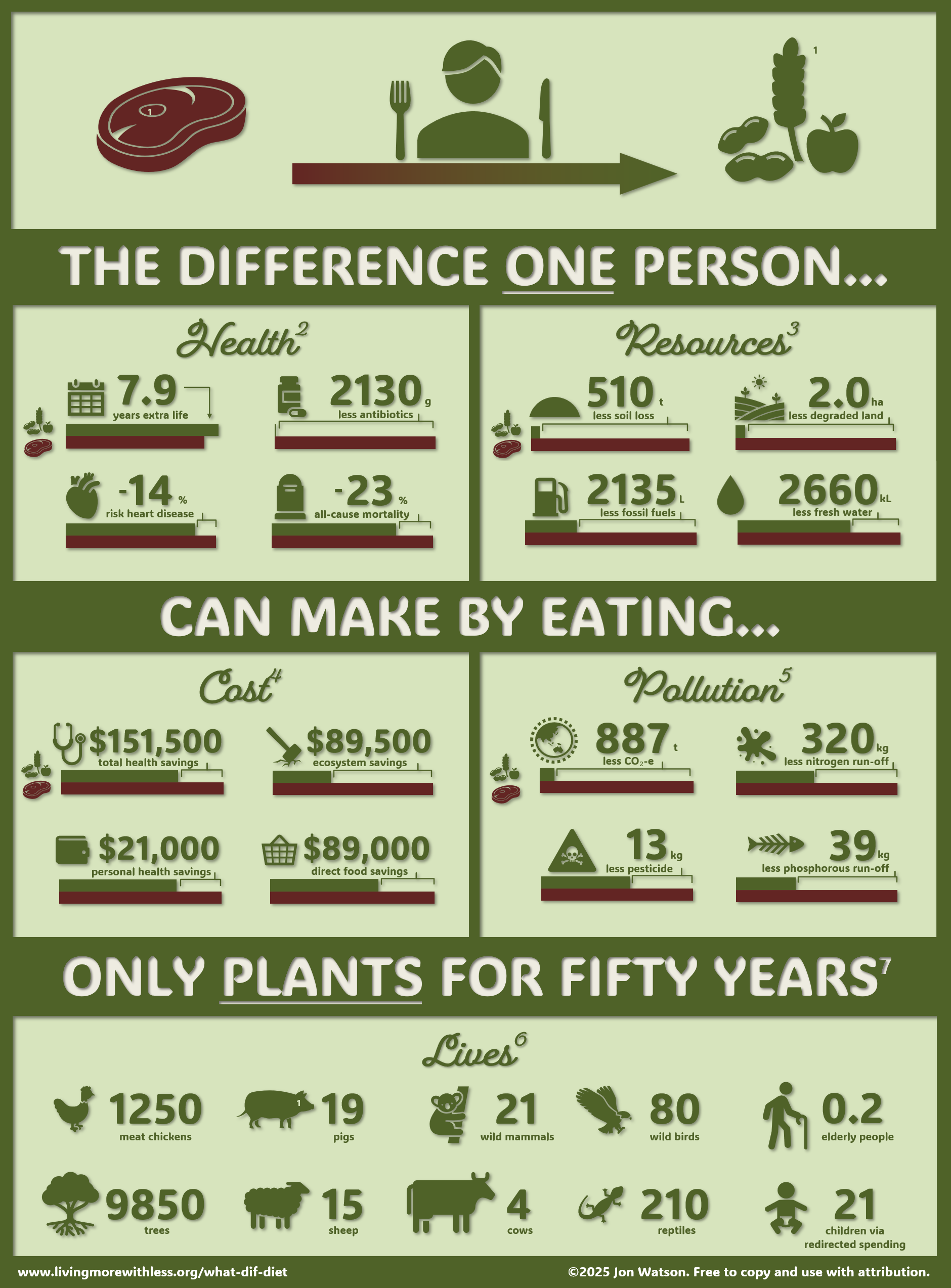
The most effective path to reduce food waste is to reduce consumption of animals and animal products. This is in-fact a necessary change to have any chance at a sustainable existence within planetary limits.3 It also come with myriad other benefits as previously explored. Reducing waste at home and while dining out are also critical. This involves:
- buying only the food you will eat in appropriate quantities
- increasing the ratio of food prepared at home vs dining out
- buying “second choice” produce and almost expired items
- avoiding pre-cut salads and other reduced-life convenience items
- making the most of what you already have, including left-overs
- sharing accidental excess with neighbours
- trusting your senses over nominal dates on purchased items
- choosing shelf-stable options and rotating through them
Dumpster diving is not essential for one-planet-living, and not even a significant option on a broad scale, since only about 2 to 5% of food is wasted at the retail stage.
Why Dumpster Dive?
Emelie and I dumpster dive to reduce that waste and save money, enabling us to give more to high impact charities. A year of diving saves us about $7,000 AUD, which buys nutritional supplements for about 5,000 children. But there are a quite a few reasons people might forage in an urban environment:
- To reduce waste (and land-fill emissions)
- To save money
- For resale (not for food – be cautious with other items)
- For the thrill
- For community and curiosity
- Out of necessity
Each of the motivations will come with a different tolerance for risk. While all sorts of things are thrown out, this post focuses on food.
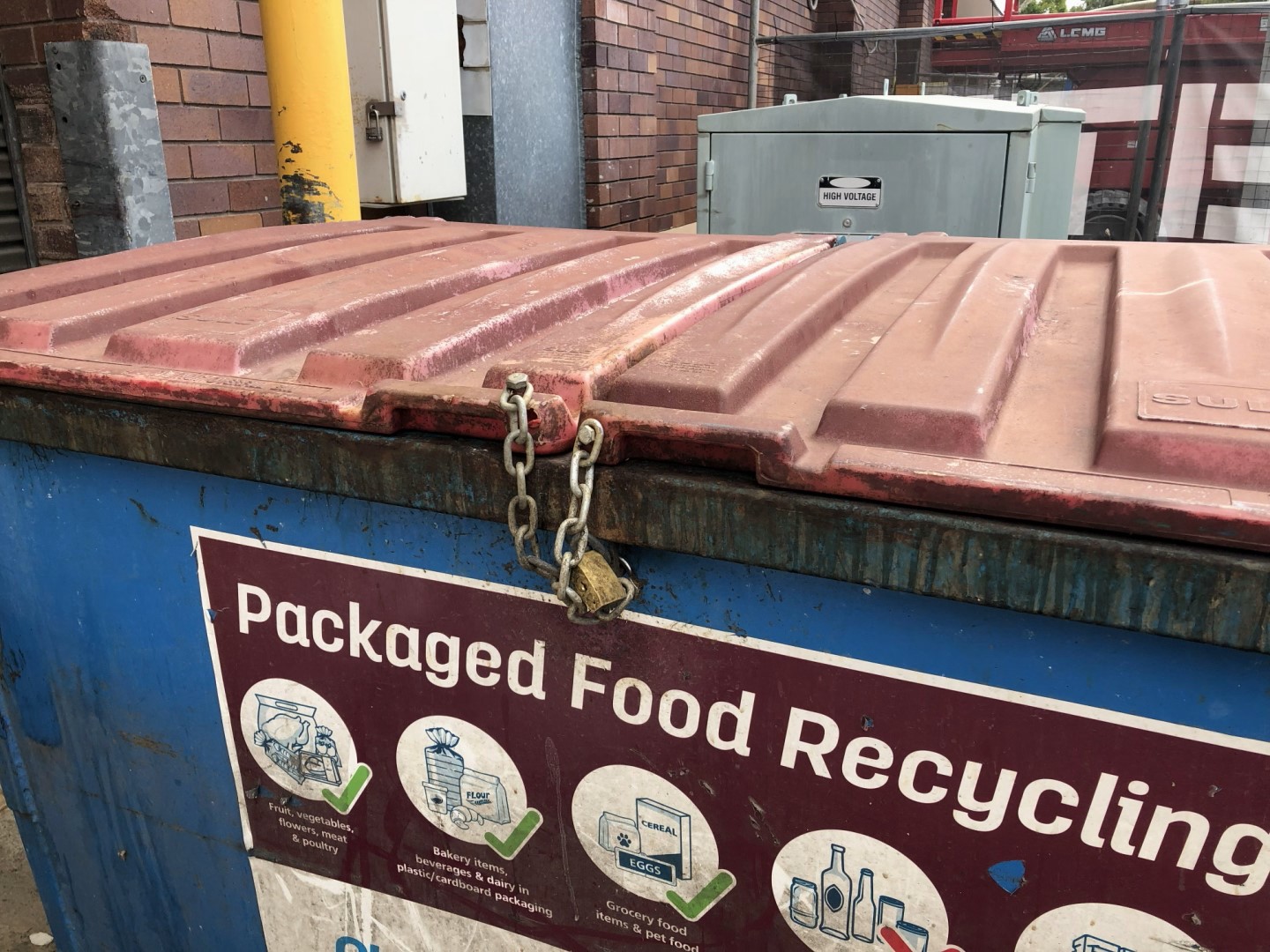
More people may find themselves tempted to explore dumpster diving over the coming months as energy and fertiliser shortages drive up the price of food. Anyone considering diving should be particularly mindful of others who may depend on the activity for their survival. Negative attention will result in locked bins. We are neither condemning nor endorsing dumpster diving, just sharing our experience.
Findings from the Field
Where and When
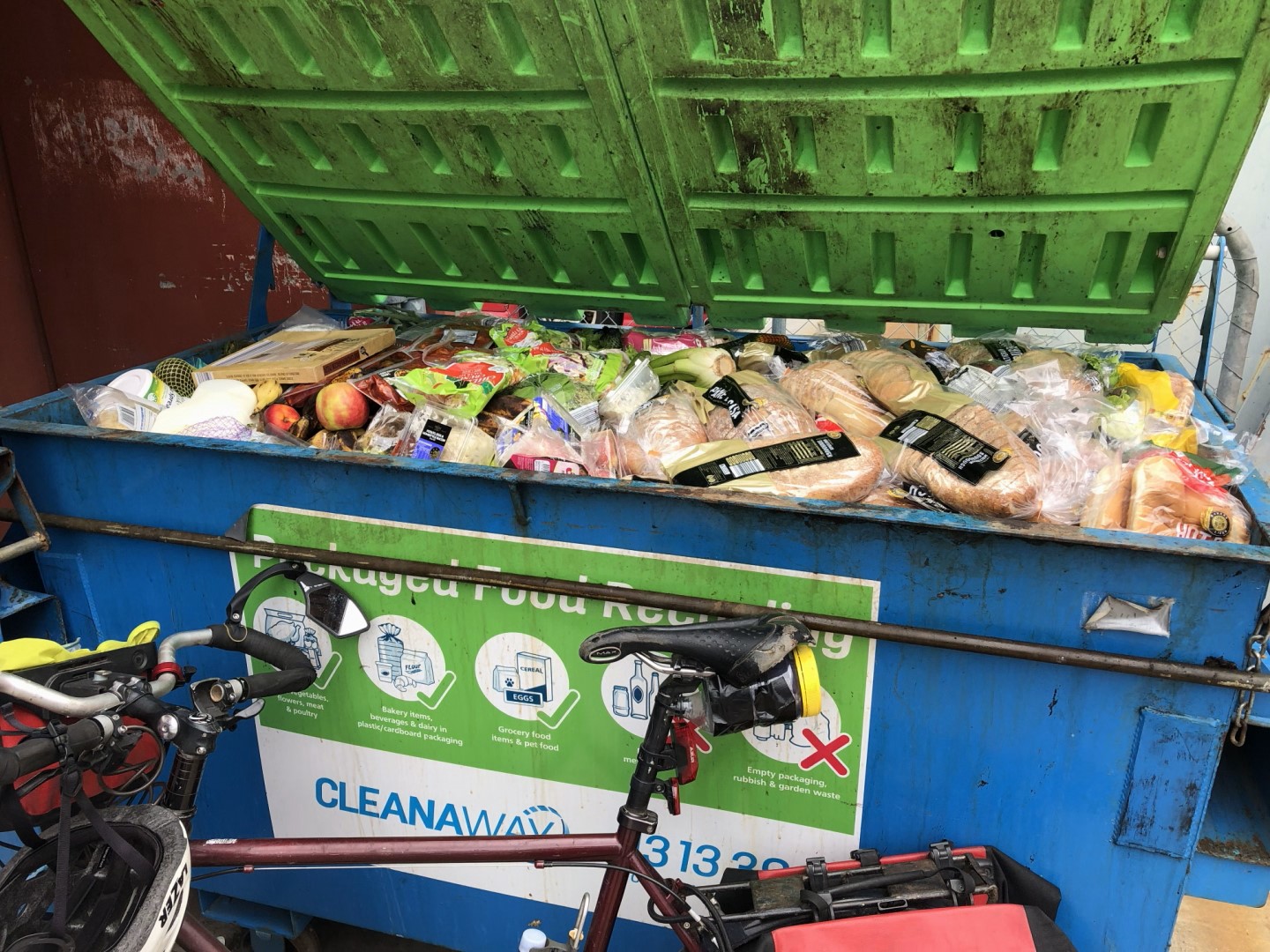
Some stores are more reliable and accessible than others. Urban bins often contain usable food mainly on weekends and public holidays because the food rescue charities are understaffed on weekends. Regional stores may discard stock throughout the week. Often the bins are in the loading dock or off to one side. We do not enter locked areas.
Best timing tends to be about one hour after opening or one hour before closing on busy weekend days. If we can get to freshly filled bins it reduces the time-above-temperature risk, though there is no guarantee something wasn’t left warm and then chilled prior to disposal.
We try to go together for safety and confidence. We know we’re doing the right thing, but it’s still nerve-wracking at times. Confidence has built with time. Diverting waste is the right thing to do. Leaving waste to rot to methane while clearing land to produce ever more is not.
Hygiene
We look at the best-before dates on the products as we dig. The stores buffer waste internally before disposal, so older items may sit on top of the outdoor bin because they were in the bottom of the indoor bin.
Water for hand washing and spare bags help contain any mess or loose items such as eggs. We try to leave everything cleaner than we found it. Other divers and staff are affected by our behaviour.
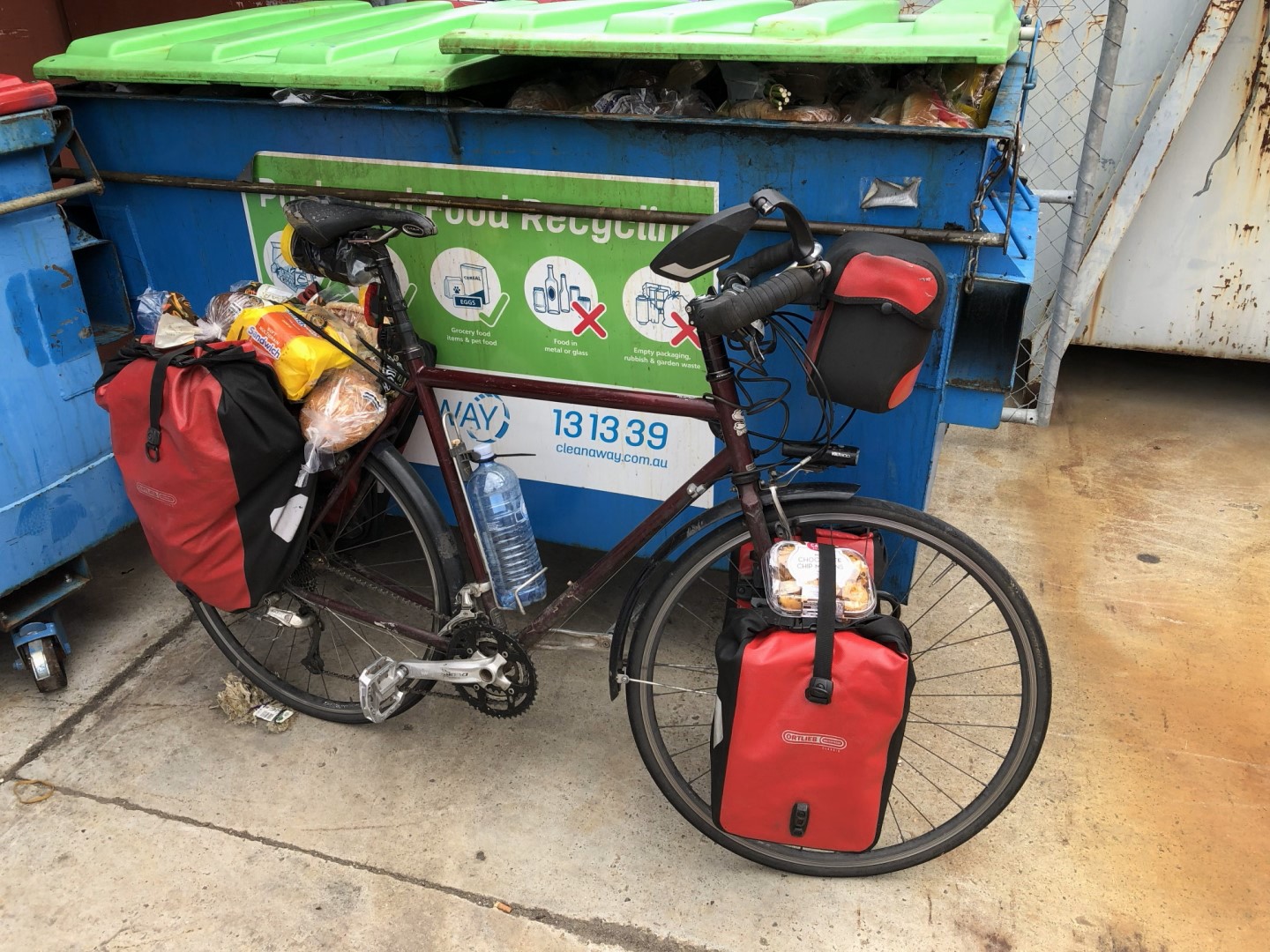
Once home we wash everything thoroughly and take another look in bright light and sniff in neutral air. Then we photograph what we collect and share surplus with our neighbours. Even collecting with our bikes it is easy to gather more than we need. We are very transparent about the origins of the food and potential risks. All of our neighbours have been quite receptive.
Why Food Gets Thrown Out
Food is discarded at the retail stage for several reasons and much of it is still fine for consumption:
- Out of date (usually fine)
- Cosmetic damage (fine)
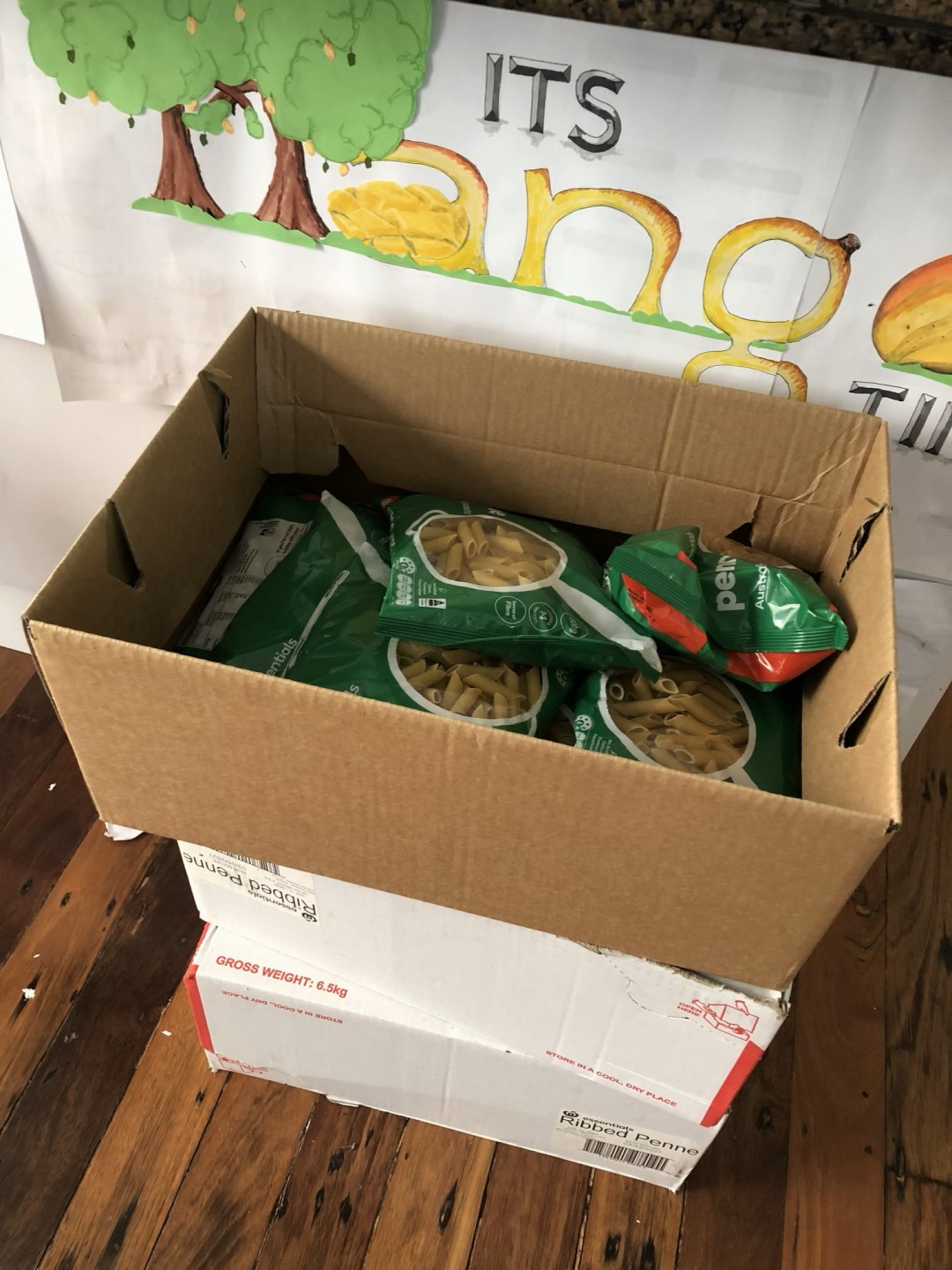
- Overstocking (fine)
- Packaging damage (usually fine)
- Recalls (may be fine, see below)
- Pest damage (may be fine, eg. weavils)
- Temperature control breaches (questionable)
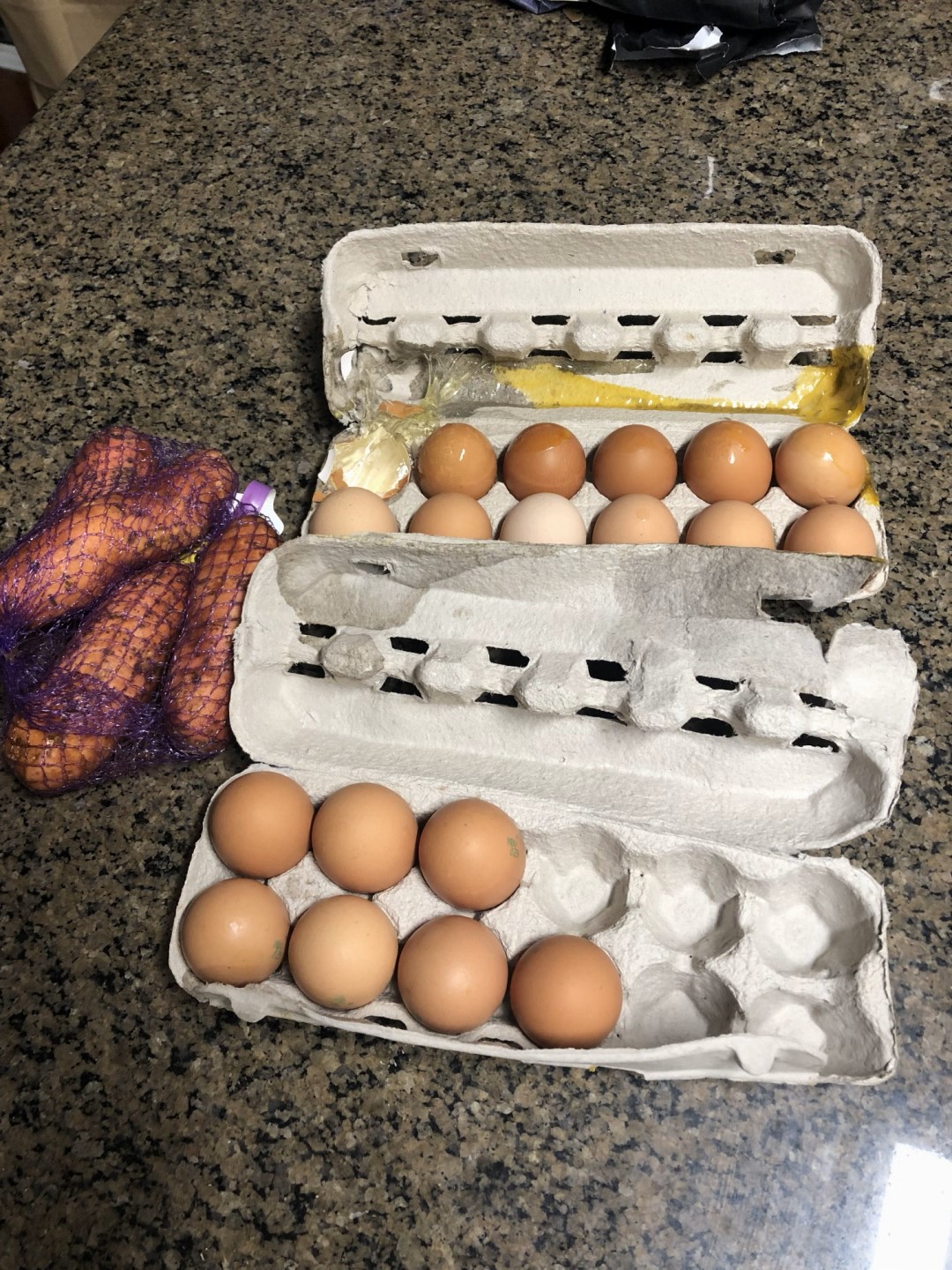
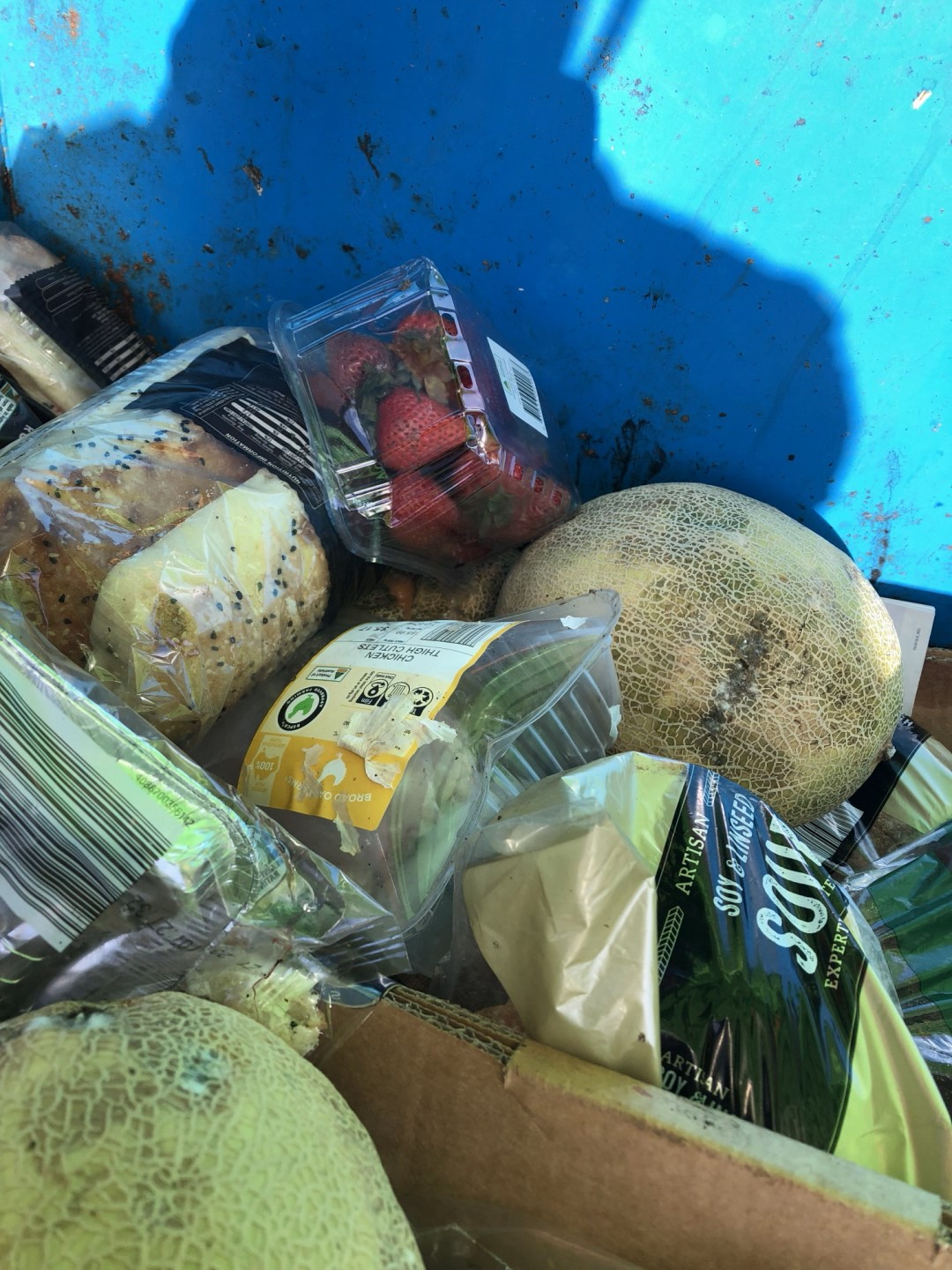
- Actually spoiled or unuseable (often one item in a package eg. fruit or eggs)
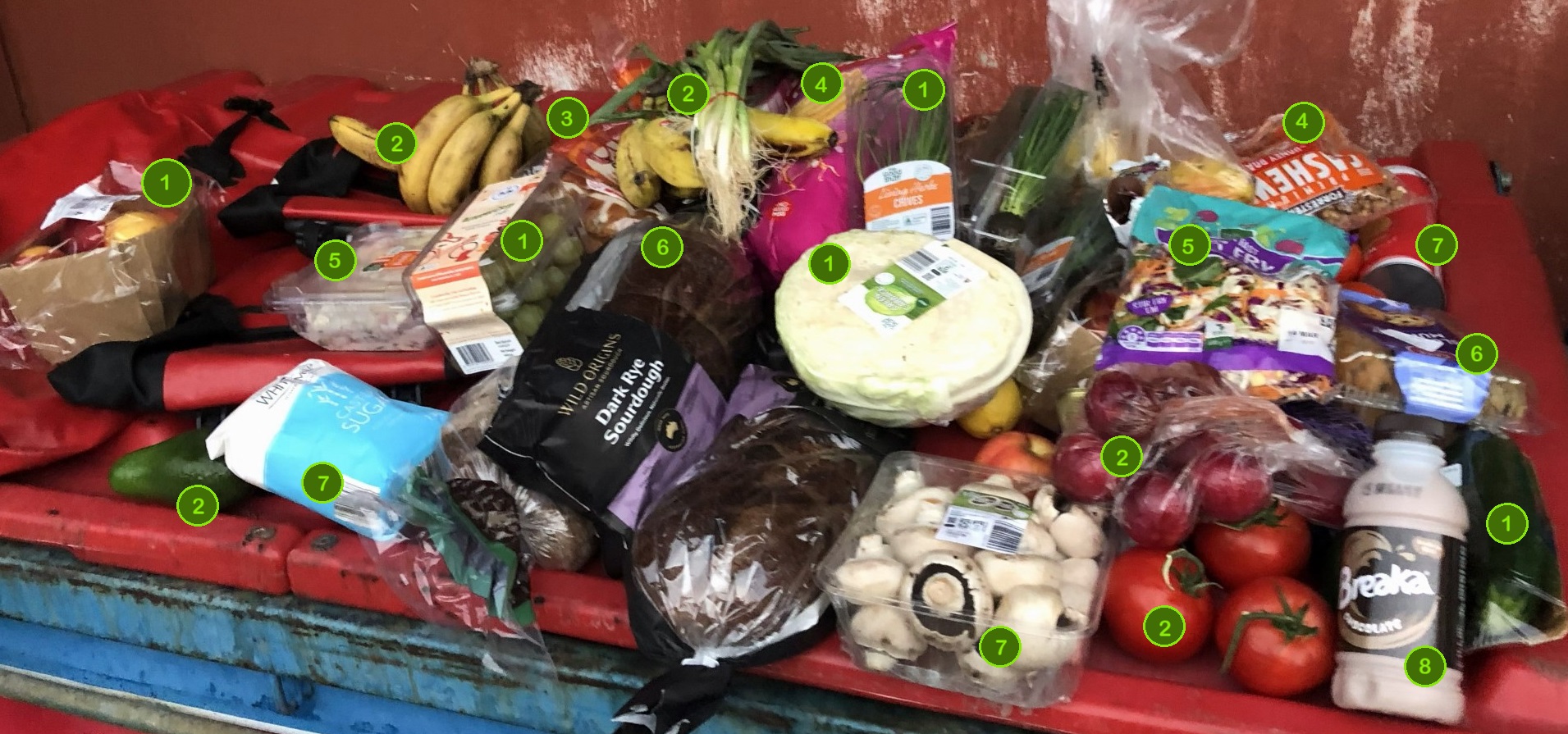
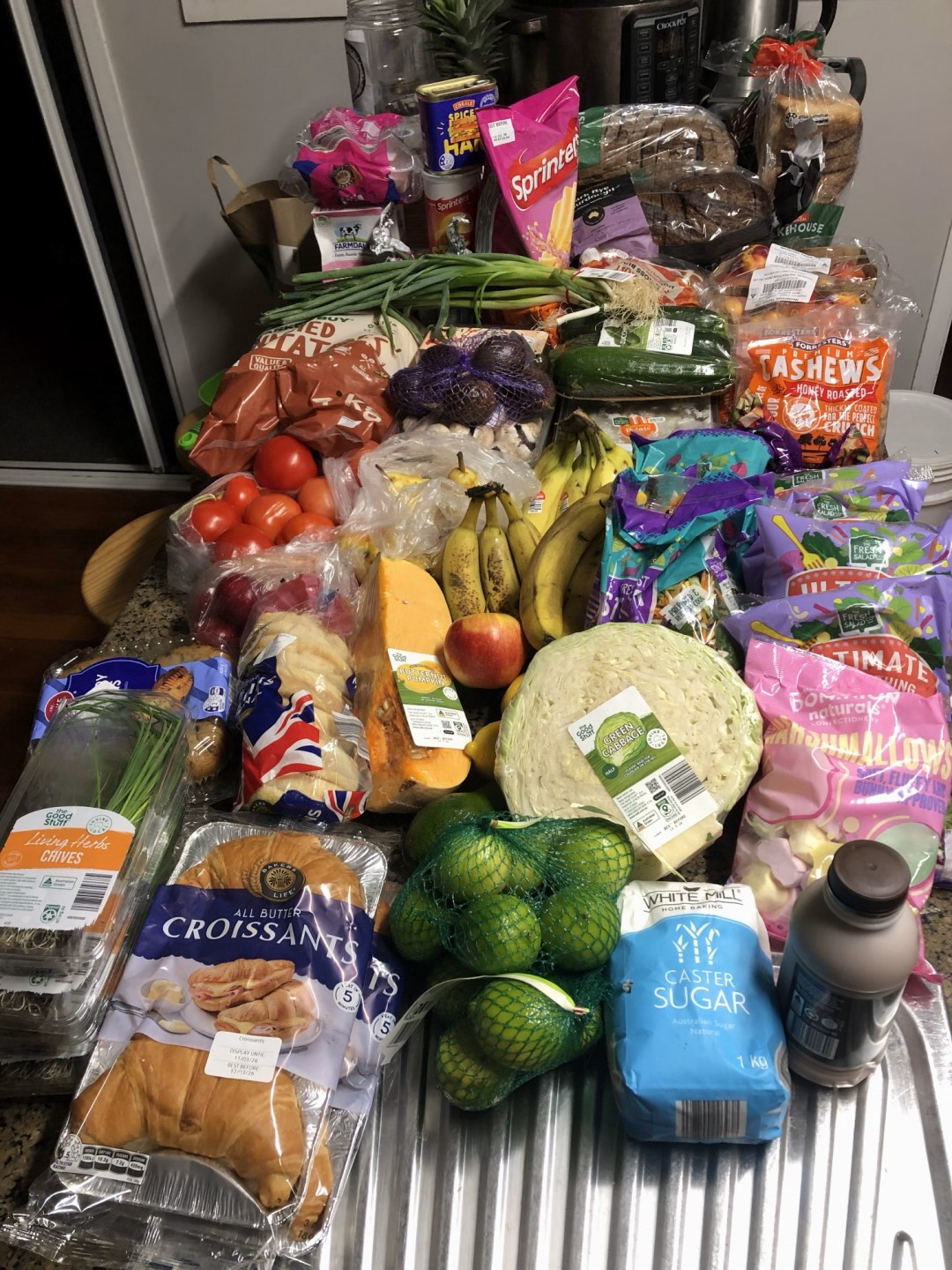
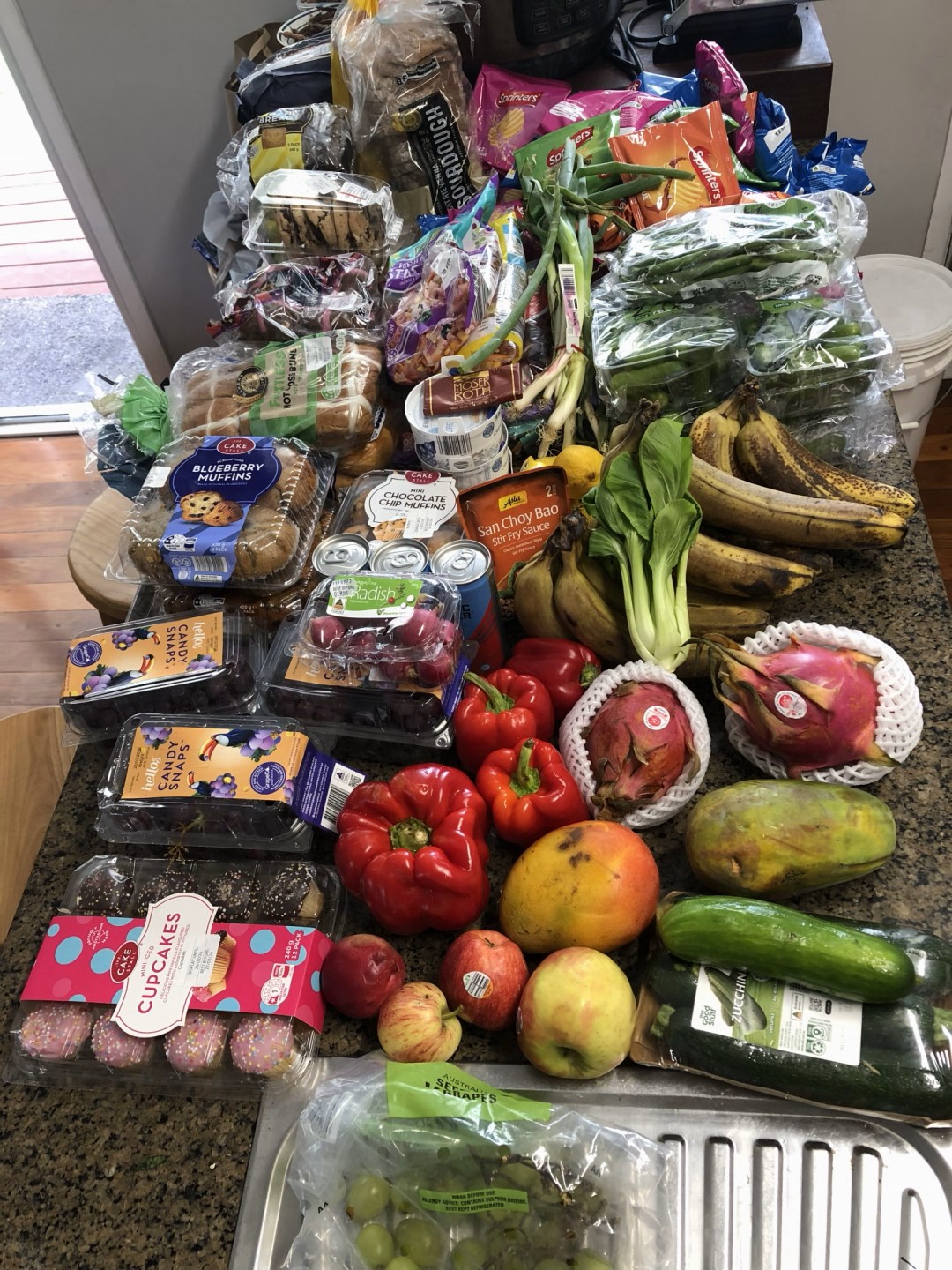
1. Expired packaged produce
2. Marked, overripe or overstocked produce
3. Expired bakery goods
4. Expired snackfoods
5. Expired cut salads
6. Expired bread products
7. Damaged packaging
8. Temperature risk dairy
Cold food is not automatically safe. Several supermarket employees have reported a standard practice of putting any spoiled food in cold storage prior to disposal to minimise smell. In which case it may already have experienced bacterial growth and toxin formation. The same checks apply whether it feels cold or warm. Food that looks perfectly fine should be treated with extra caution. For this reason, we are more comfortable taking meat and dairy products that have visible packaging damage or are past date, as these are less likely to have been left warm. That risk still remains.
Recalls & Specials
Any time one thing shows up in substantial volume, there’s a reasonable chance it’s due to a recall. You can usually search the product details online and find the reason. This could be.
- Physical contamination (metal, plastic, rubber or glass)
- Biological contamination (salmonella, listeria or e. coli)
- Mislabelling (eg. unreported allergens)
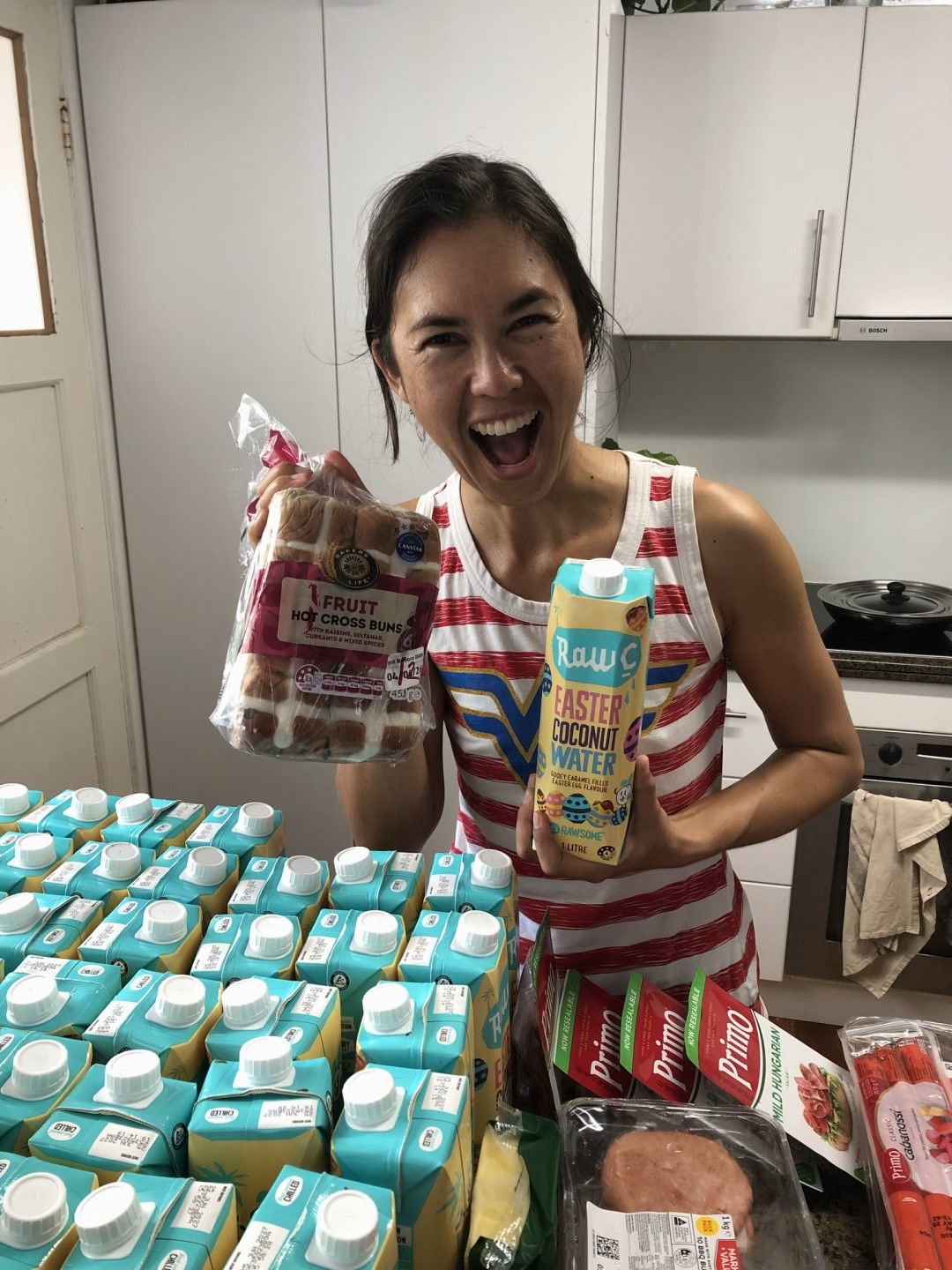
How you approach each of these depends on your risk tolerance. Not every product will be contaminated and even contaminated products may be unpleasant rather than hazardous. I would steer clear of potential glass contamination and only collect the bio-contaminant recalls for cooking (if reported as one of the cultures that may be heat-neutralised). The other reason for one-time abundance is holiday specials.

Contamination
As far as I understand it, healthy adults will tolerate most foodborne infections well. They may experience discomfort for several days if unlucky. Anyone with compromised immunity, pregnancy, mold allergies or limited access to water or hygiene facilities should take extra care. Severe complications are rare but people do die every year due to food-borne illness. We have been eating almost entirely dumpster-derived meals for about six months and so far have no sickness. The past, however, is no guarantee of the future.
The main biological hazards from consuming rescued food fall into two categories:
Living pathogens
- Managed by sorting, washing, trimming, peeling, and cooking
- Typically cause short-term gastrointestinal illness if still present
Pre-formed toxins
- Not all neutralised by normal cooking
- Often associated with warm, moist, protein-rich foods
- Cause rapid vomiting or diarrhoea
Visual and sensory checks remain important tools:
- Strong sour or putrid smell suggests advanced bacterial decay
- Sliminess on leafy greens indicates heavy microbial growth
- Bulging packaging indicates advanced decay
- Discolouration suggest drying or oxidation from failed packaging
- Bulging cans signal anaerobic gas production
- Musty odour in nuts or flour suggests mold
Our ancestors and even our grandparents relied on their senses to keep them mostly safe from food-borne illness. On the other hand modern tolerance for risk is vastly lower, since eliminating most non-dietary hazards. It is worth repeating that dangerous levels of some pathogens may be present without any obvious signs.
Bad-ass Bacteria
The most common sources of biological contamination, including e. coli, listeria, campylobacter, salmonella and vibrio, are effectively managed by adequate cooking.45678 This does not apply to the pre-formed toxins from bacillus cereus or staphylococcus aureus which are heat stable. Sufficient heat kills bacteria, but does not reliably neutralise certain toxins.
The spores of clostridium botulinum are also not destroyed by cooking. This anaerobic bacteria can continue to multiply in sealed containers after heat treatment, provided the pH is greater than 4.6. They produce the deadly botulinum toxin. Unlike the b. cereus and staph toxins, the botulinum toxin is destroyed by adequate heat. The World Health Organisation recommends exposure to 85°C for five minutes.9 Thus any home-canned food should be thoroughly reheated prior to serving, particularly if it was from suspect origins such as a dumpster.
Favourable Fermentation
Fruit and acidic or sugary products are sometimes fermented with yeasts or lactobacillus culture, producing alcohol and acid.10 Early fermentation is typically low risk and may even improve digestibility.11 We have enjoyed fruit juices that have commenced fermentation, producing a pleasantly sour and fizzy cider. I have also had several coleslaw salads that had commenced their journey to saurkraut. Advanced wet rot is a different story, easily distinguished by a putrid smell.
When Emelie and I go diving, if we can smell the bin before we open the lid, or immediately find maggots we know we’re too late for fresh products. We may still forage for shelf stable items with intact packaging that can be washed off.
Risk Hierarchy for a Healthy Adult
Discarded meat or soggy produce scraped from the soup at the bottom of the bin is not for everyone. But there are range of lower risk options.
Lower concern categories:
- Just expired bread and pantry items
- Mislabelled recalls
- Cosmetically damaged packaging
- Whole fruit with intact skin
- Hard cheese with or without trimmable mold
Moderate concern:
- Leafy greens that can be washed or cooked
- Sour milk and fresh cheese
- Bottled juices
- Soft fruits with porous packaging such as raspberries
- Soft cheeses
- Icecream and similar freezer items that have thawed but remain cold
- Meat or non-scombroid fish that will be thoroughly cooked12
Higher concern:
- Slimy or smelly meat or fish
- Tuna, mackeral and other scombroid fish
- Cream filled items, unless they will be recooked
- Cooked rice or pasta
- Mixed protein salads
- Thawed frozen meals
- Bulging canned goods
This is a general guideline and not intended as advice. Readers are encouraged to do their own research. Links are provided below.
Risks and Remediations
| Food | Spoilage Mode | Culture / Hazard | Signs | Complications | Remediation | Residual Risk13 |
|---|---|---|---|---|---|---|
| Fruit / juice | Fermentation | Wild yeasts (ethanol) | Alcohol smell, bubbling | Sour taste; mild GI upset | Trim damaged areas | Negligible |
| Fresh fruit (firm) | Surface mold | Penicillium, Aspergillus | Localized fuzz | Mild GI upset; mycotoxin liver damage | Trim ≥2 cm around spot | Very low |
| Fresh fruit | Advanced soft rot | Mixed bacteria | Wet collapse, foul odor | Vomiting; diarrhea | Discard | Moderate |
| Leafy greens | Surface contamination | Salmonella, E. coli | Often none | Diarrhea; cramps; dehydration | Vigorous washing; cooking | Low if washed; Very low if cooked |
| Leafy greens, potatoes | Spoilage | Listeria monocytogenes | Often none | Flu-like illness; rare invasive infection | Thorough cooking (≥85°C) | Very low |
| Root vegetables | Surface mold | Environmental molds | Fuzz on skin | Usually none; mild GI upset possible | Peeling; cooking | Negligible |
| Cooked rice | Toxin accumulation | Bacillus cereus toxin | Often none; Possible sourness | Sudden intense vomiting; diarrhea | Discard (cooking ineffective) | High |
| Mixed cooked dishes | Toxin accumulation | Staphylococcus aureus | Often none | Rapid vomiting; severe nausea | Discard (cooking ineffective) | High |
| Raw meat (whole cuts) | Enteric bacteria / campylobacter | Salmonella, Campylobacter jejuni | No reliable sign | Diarrhea; fever; rare bacteremia | Thorough cooking (≥70°C core) | Low |
| Raw meat (ground) | Shiga toxin bacteria | E. coli | No sign | Bloody diarrhea; rare kidney failure | Thorough cooking (≥70°C core) | Low |
| Raw meat | Mixed growth | Various incl. toxin producers | Sour smell, slime, swollen package | Vomiting; diarrhea; possible systemic illness | Discard | High |
| Deli meat | Listeria | Listeria monocytogenes | Slimy surface | Mild illness; rare invasive infection | Wash & reheat thoroughly (≥85°C) | Low |
| Fish | Protein breakdown | Shewanella putrefaciens, Pseudomonas fluorescens | Sharp fishy smell, sometimes slime | Unpleasant taste; possible mild GI upset | Cook if not offended by taste | Low (strong taste remains) |
| Fish, esp. tuna & mackeral > 25°C for > 6h | Histamine formation | Morganella morganii | Slight pepper or metallic taste | Rapid onset flushing, headache, rash; vomiting | Cooking not effective.Discard if detected | High |
| Bread | Surface mold | Aspergillus, Penicillium | Visible mold | Mild GI upset; mycotoxin liver damage | Discard contaminated portions | Very low |
| Bread | Rope spoilage | Bacillus subtilis | Sticky crumb | Nausea; unpleasant texture | Discard | Moderate |
| Baked goods (cream-filled) | Staph toxin | Staph enterotoxin | Often none | Rapid onset vomiting | Discard | High |
| Hard cheese | Surface mold | Penicillium spp. | Local mold | Usually none | Trim ≥2 cm margin | Negligible |
| Soft cheese | Mold infiltration | Various molds | Mold beyond rind | GI upset; toxin exposure | Discard | Moderate |
| Milk (slightly sour) | Lactic fermentation | Lactobacillus | Sour smell | Mild GI symptoms | Use in moderation | Negligible |
| Milk (kept warm) | Pathogen growth | Salmonella, Listeria | Often none | Diarrhea; fever | Thorough cooking (≥85°C core) | Very low |
| Eggs | Salmonella | Salmonella enterica | No sign | Diarrhea; fever | Cook fully (≥70°C) | Very low |
| Nuts | Rancidity | Lipid oxidation | Bitter taste | Unpleasant flavour | Consume if tolerable | None |
| Nuts | Mold | Aspergillus flavus (aflatoxin) | Musty smell | Chronic liver toxicity (repeated exposure) | Discard moldy nuts | Very low |
| Grains / flour (dry) | Insects | Weevils | Visible insects | None beyond appearance & texture | Freeze to kill insects | None |
| Grains / flour (wet) | Mold growth | Various molds | Clumping, musty | GI upset; possible toxin exposure | Discard moldy portions | Very low |
| Canned goods (minor dent) | Cosmetic damage | — | Side dent only | None | Safe if seam intact | None |
| Canned goods (bulging) | Botulinum toxin | Clostridium botulinum toxin | Bulge, hiss | Progressive paralysis; respiratory failure | Discard unopened. Reheat thoroughly (5 mins ≥85°C) if apocalyptically desparate | Moderate |
Closing Thoughts
Our dumpster diving videos on Facebook, Instagram & TikTok have got a lot of attention, including from mainstream media. It would be easy to get carried away by the excitement and attention, but it’s important to remember this is a small part of a much bigger picture.
As a society Australia and comparable nations are destroying the earth many times faster than it can regenerate and food is the biggest factor. We all need to be asking: why is edible food being discarded while land is cleared for agriculture and grain is fed to livestock and machines, instead of the 400 million undernourished people of our planet.
References
- Food and Agriculture Organization of the United Nations (2011) Global food losses and food waste https://openknowledge.fao.org/handle/20.500.14283/i2697e ↩︎
- A Shepon et al. (2016) Energy and protein feed-to-food conversion efficiencies in the US and potential food security gains from dietary changes, Environ. Res. Lett. 11, 105002, https://iopscience.iop.org/article/10.1088/1748-9326/11/10/105002 ↩︎
- Rabès, et al. (2020) Greenhouse gas emissions, energy demand and land use associated with omnivorous, pesco-vegetarian, vegetarian, and vegan diets accounting for farming practices,
Sustainable Production and Consumption, 22, https://doi.org/10.1016/j.spc.2020.02.010 ↩︎ - World Health Organisation (2018) E. Coli Fact Sheet, https://www.who.int/news-room/fact-sheets/detail/e-coli ↩︎
- World Health Organisation (2018) Salmonella Fact Sheet https://www.who.int/news-room/fact-sheets/detail/salmonella-(non-typhoidal) ↩︎
- World Health Organisation (2020) Campylobacter Fact Sheet https://www.who.int/news-room/fact-sheets/detail/campylobacter ↩︎
- Food and Agriculture Organization of the United Nations (2007) CAC/GL 61 – 2007: Guidelines on the application of general principles of food hygiene to the control of listeria monocytogenes in foods, search https://www.fao.org/fao-who-codexalimentarius/codex-texts/guidelines/en/ ↩︎
- Chintagari, S., Hazard, N., Edwards, G., Jadeja, R., & Janes, M. (2017). Risks Associated with Fish and Seafood. Microbiology spectrum, 5(1), 10.1128/microbiolspec.pfs-0013-2016. https://doi.org/10.1128/microbiolspec.PFS-0013-2016 ↩︎
- World Health Organisation (2023) Botulism Fact Sheet, https://www.who.int/news-room/fact-sheets/detail/botulism ↩︎
- Oluwadara A. et. al. (2022) Microbial spoilage of vegetables, fruits and cereals,
Applied Food Research, 2(1),100122 https://doi.org/10.1016/j.afres.2022.100122 ↩︎ - Knez, E., Kadac-Czapska, K., & Grembecka, M. (2023). Effect of Fermentation on the Nutritional Quality of the Selected Vegetables and Legumes and Their Health Effects. Life (Basel, Switzerland), 13(3), 655. https://doi.org/10.3390/life13030655 ↩︎
- Food and Agriculture Organization of the United Nations (2012) Public Health Risks of Histamine and other
Biogenic Amines from Fish and Fishery Products, https://iris.who.int/server/api/core/bitstreams/188b9afe-c797-4d2b-a8d2-f61efd7d7c84/content ↩︎ ↩︎ - This is our inexpert interpretation of the fact sheets above and assessed against our personal risk tolerance. It is not intended as advice. ↩︎
You’ve argued your point very well, as usual. I agree wholeheartedly!