The human addiction to comfort has dulled the experiences that make life meaningful. This is Michael Easter’s core argument in The Comfort Crisis. According to Easter we need to do more hard things, starting with engaging in activities with a 50 per cent chance of failure. Things that challenge us to grow at the edge of our capabilities. Discomfort builds resilience, confidence and gratitude.
Pushing Past Privilege
Unfortunately Easter’s very blokey framing through a remote hunting narrative risks alienating many readers. The book’s strength lies in its call to embrace discomfort. However its delivery overlooks the systemic barriers that make the example choices inaccessible for many. Some are also largely inappropriate at any appreciable scale due to the harmful impacts. His focus is entirely on personal development. This misses an opportunity to recognise the other potential and necessary benefits if framed through an environmental or societal impact lens.
The journey that Emelie and I have been on has proven to us that discomfort is not the enemy, but a catalyst for fulfilment. Cycle touring, overnight sailing, volunteering in palliative care, approaching neighbours, growing and processing food and repairing our own home are all challenging, uncomfortable activities. But when we have taken the easier path we have repeatedly been left feeling edgy, dissatisfied and unfulfilled. I unpacked this experience in this presentation earlier this year. We agree with Easter’s underlying message. By avoiding discomfort we deny ourselves the chance to truly live.
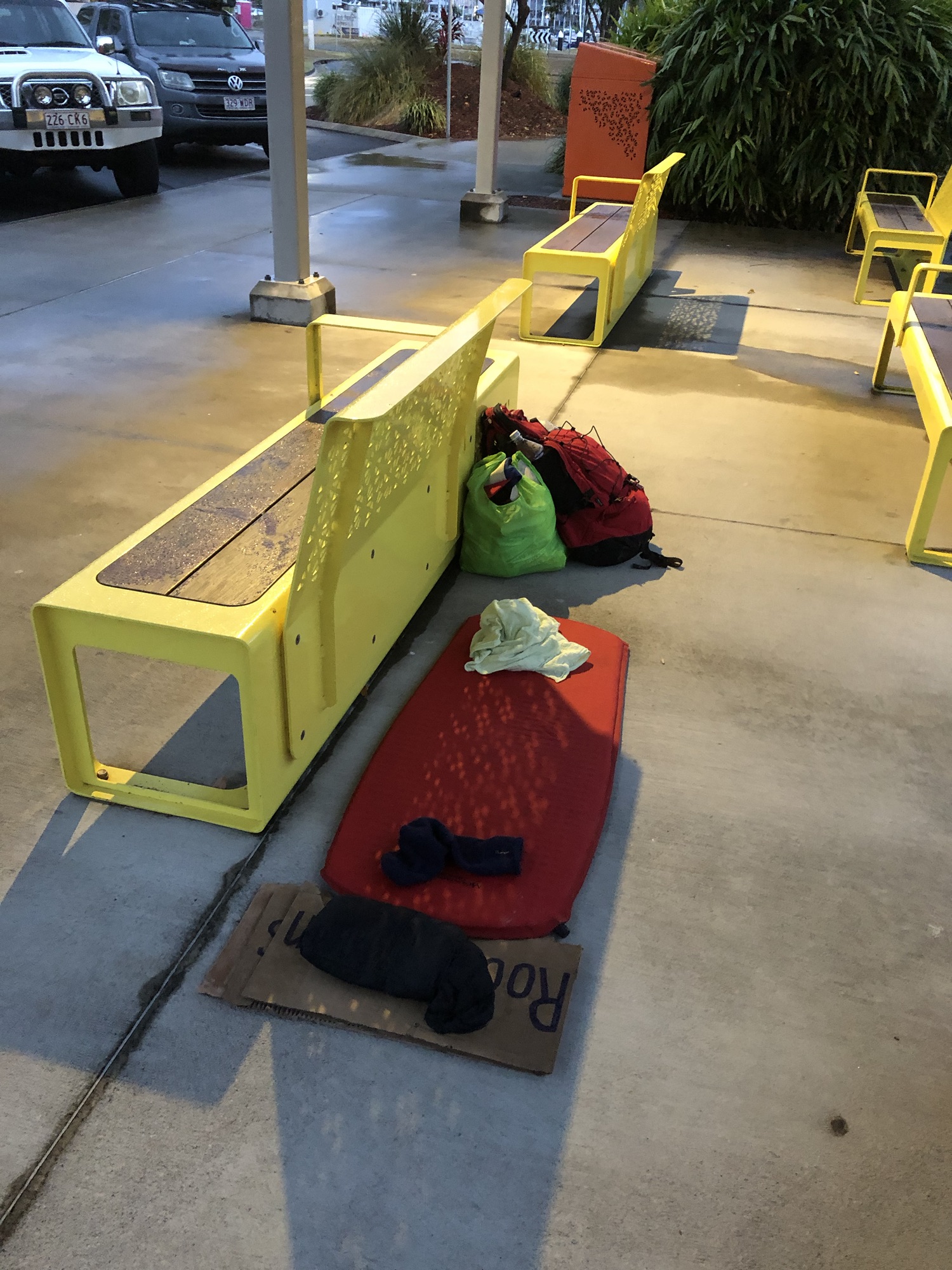
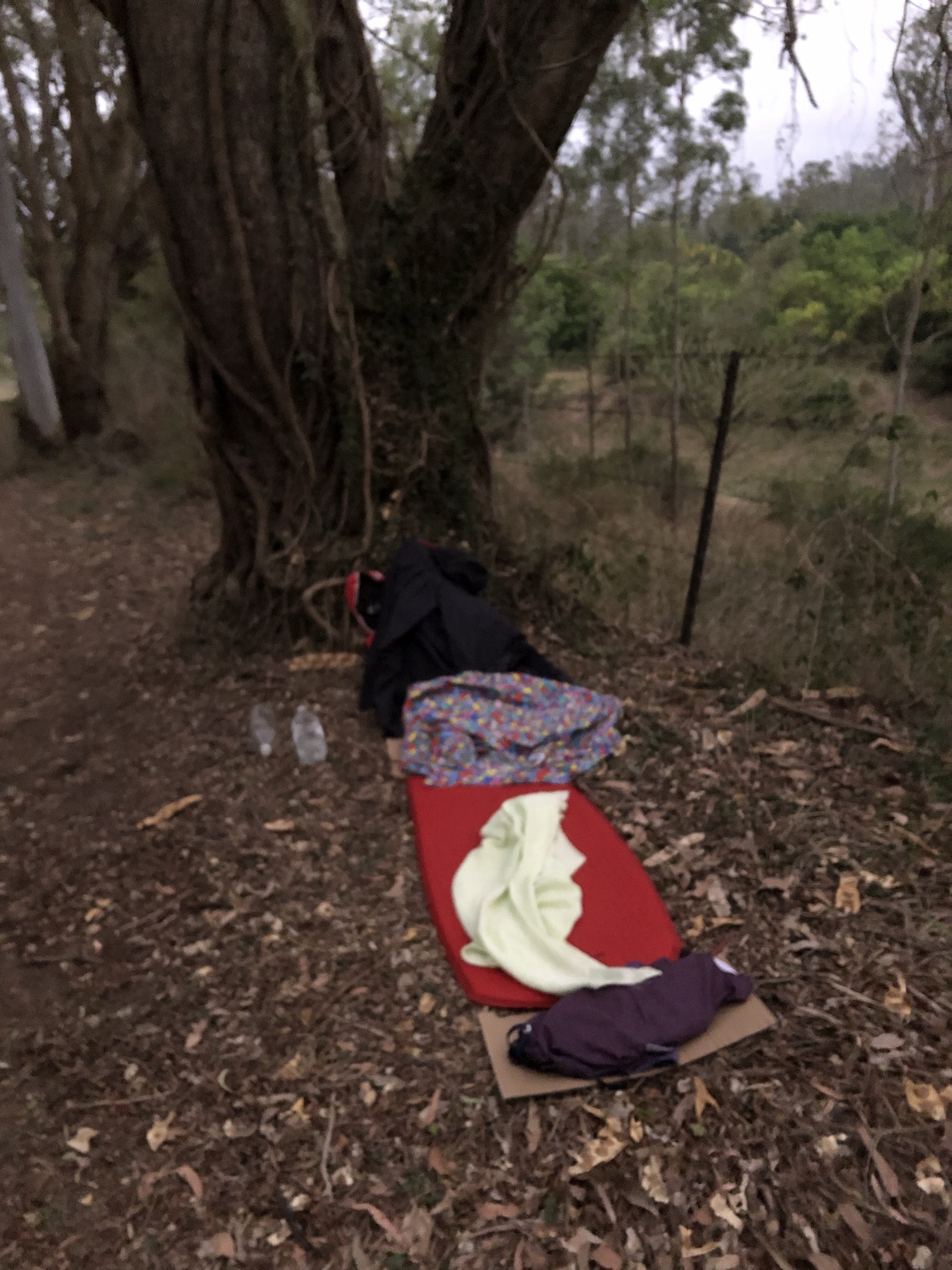
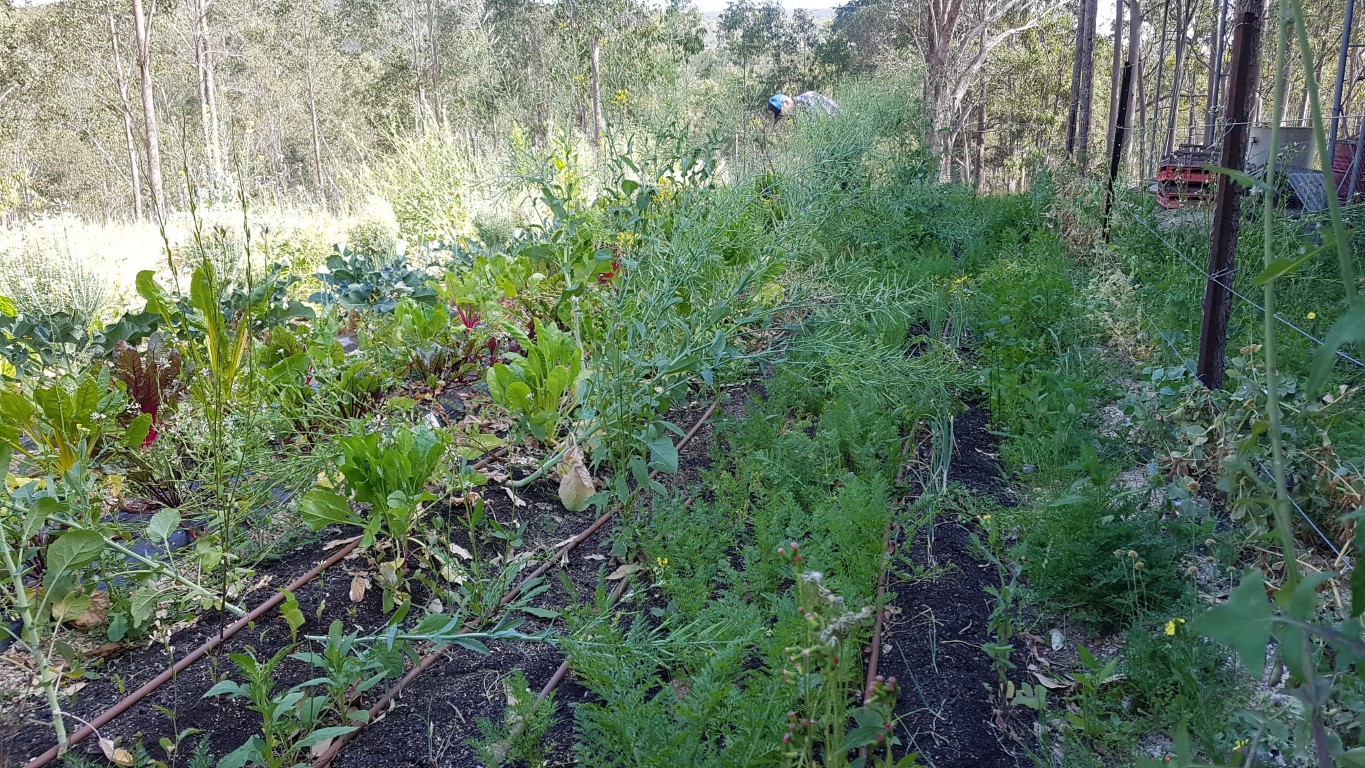
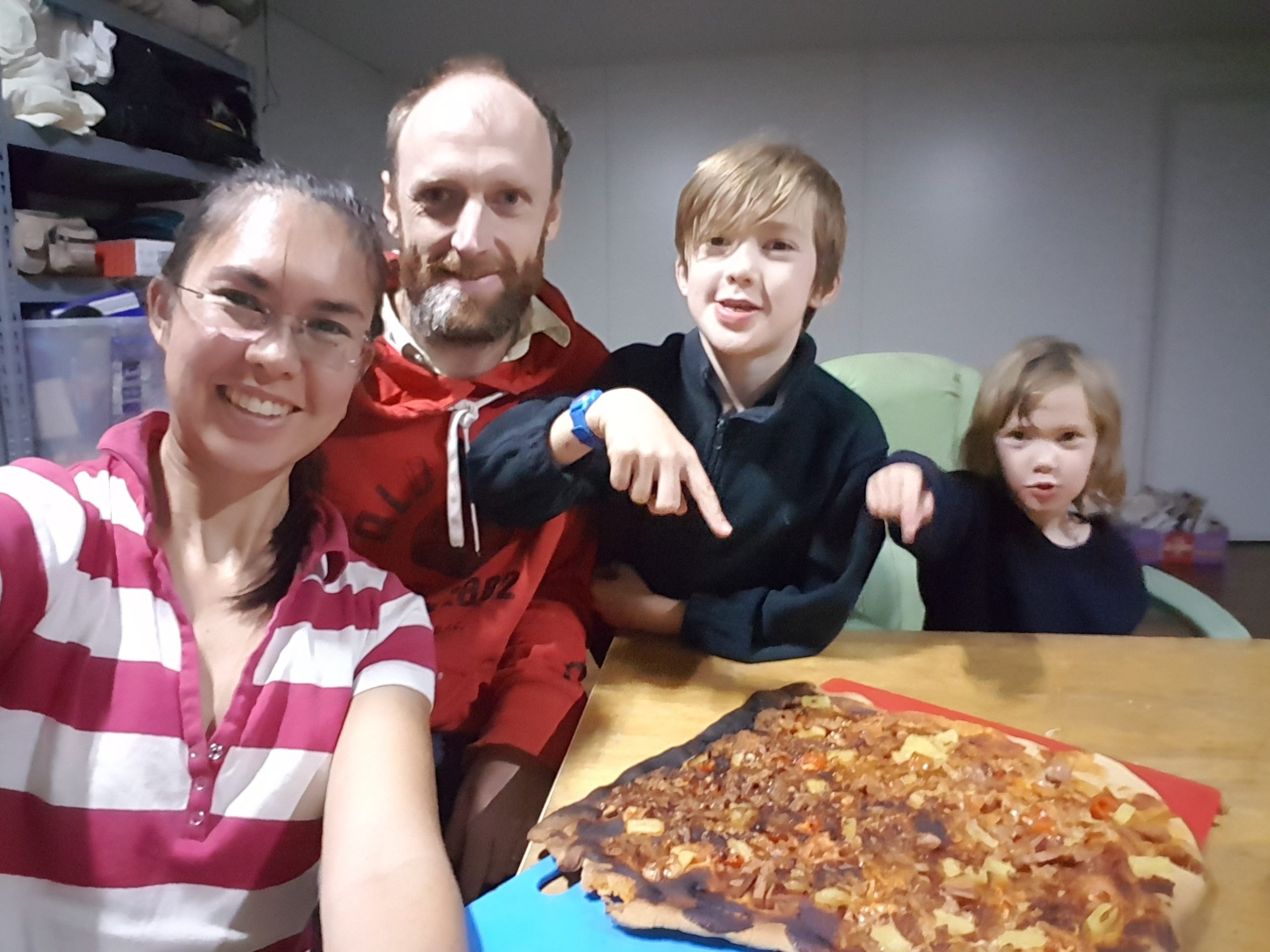
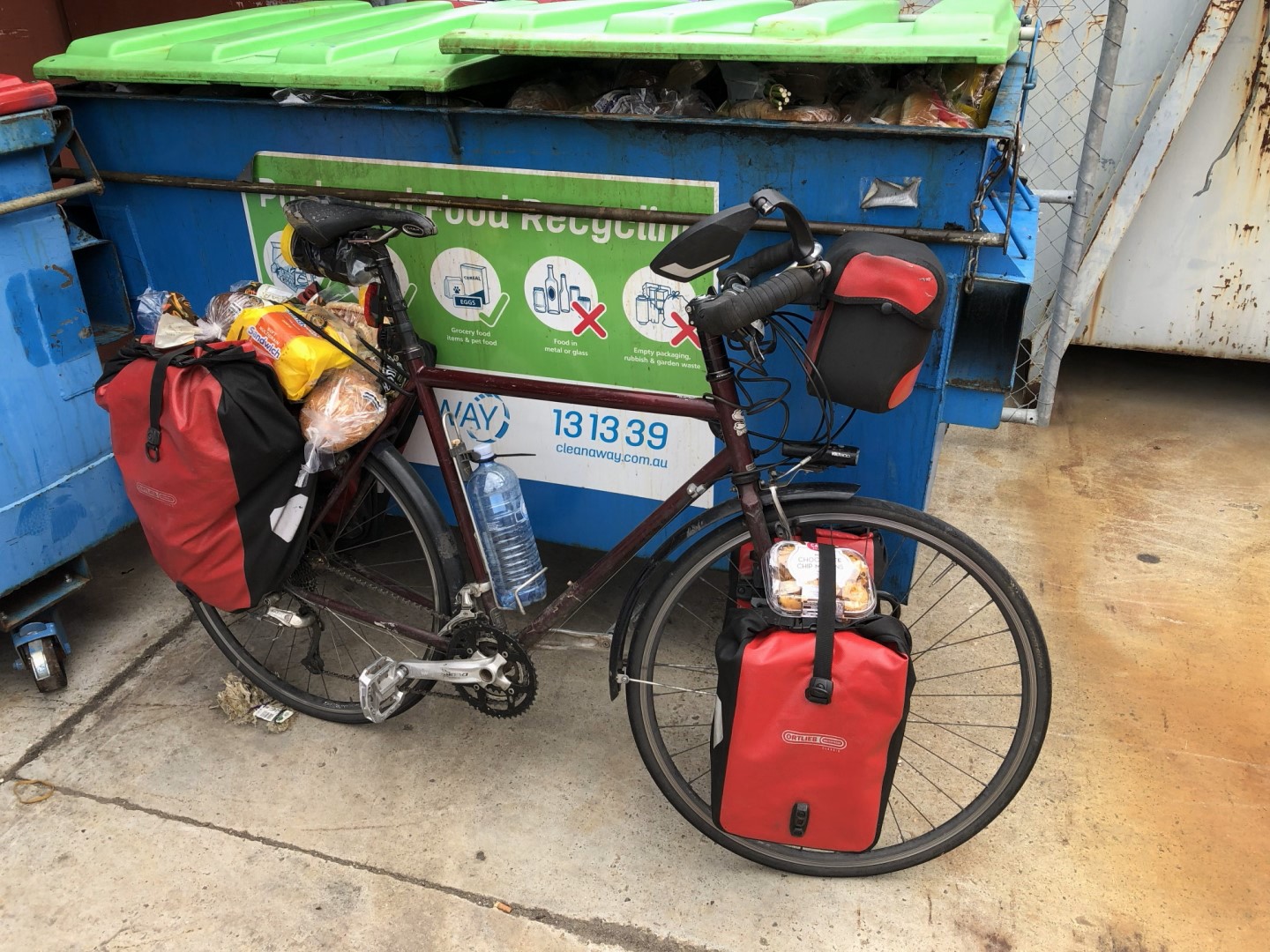
But let us challenge the assumption that discomfort must be sought in remote wilderness or extreme physical feats. Or that we need to buy a specially designed backpack filled with metal plates in order to exert ourselves. What about the discomfort of carrying groceries on our backs or a bicycle and redirecting savings toward high impact charities? Or the challenge of accepting imperfection and sideways glances of our neighbours to live within planetary boundaries in a society built on excess?
Boredom’s Blessings: The Three Day Effect in Everyday Life
Easter’s discussion of the three day effect is the one and same we put to test on the Easter holiday last year. Spending extended time in nature did offer an altered mental state. My experience was not however as profound as it supposedly can be. I have found similar benefits with hiking and cycling or simply time spent in a garden. Immersion in the natural world, particularly without technology, does open the mind.
But does it require three days in the wilderness? Or can we find similar benefits in smaller, more accessible doses of nature and boredom? My experiments with slow travel, foraging and gardening suggest that discomfort and meaning can be found in everyday actions. These practices do not just reduce my environmental footprint. They reconnect me with the rhythms of life that modern comfort has obscured.
Easter’s emphasis on fasting and embracing hunger further underscores our adaptability. I urge anyone who hasn’t tried for themselves, to observe the boost in your appreciation of food, water or a dry bed after an extended period without.
Facing Finitude: Mortality as Motivation
Easter urges us to confront our mortality daily. He frames it as a motivator to focus on what truly matters. To afford us appreciation for our brief existence. This aligns with my belief that life’s richness lies in engagement and humility, not accumulation and hubris. Both adventures and daily experiences have shown me that life’s depth comes from connection, not comfort. I lean away from the notion of insignificance however, as this offers a moral loophole to excuse harmful choices. One person’s existence may be insignificant in the scale of the universe. However, the choices of one person, particularly of the wealthier nations, are of consequence to hundreds of other people and thousands of other animals.
The combined impacts of humanity, made up of each of those choices is immense. Man made structures, most of which were made in our lifetimes, now exceeds the mass of all living things. Here is a fascinating visualisation of this.
So while life is good for the middle class in many regards, it can be even better if we move away from materialistic goals. We just need to be mindful of how we reconcile the personal growth that comes from discomfort with the collective action required to create a fairer, more sustainable world.
Carrying the Load: Strength in Shared Struggle
Easter’s discussion of the value of carrying heavy things is a metaphor for resilience. But his framing is rooted in a hunting trip through remote wilderness. It feels exclusionary and it is. The privilege of accessing untouched landscapes and engaging in such activities is not recognised, let alone the priliege most readers have in choosing comfort or discomfort.
This raises a question. Can we find strength in the struggle without romanticising experiences that are out of reach for many? The Living More with Less project offers an alternative. It is not about flying to remote places or trekking on delicate landscapes. It is about finding meaning in the everyday. Going slowly, getting sweaty, growing food, repairing instead of replacing and giving generously to high impact charities are actions that are accessible, scalable and collectively transformative. They prove that discomfort does not have to be extreme to be meaningful.
A Six Point Summary
I’ve found that many self-help books could be summed up in a few lines. Obviously this would be hard to justify selling for $20+ and would likely not double as entertainment as this one does. If you like to read adventure travel, then by all means go borrow a copy of the book, but if you’re just after the core points here they are below.
- Do hard things
- Be bored
- Think about death
- Feel hunger
- Carry heavy things
- Mental discomfort matters too
There are many other books on our resources page on adjacent topics that I would recommend reading cover to cover, some of which I have reviewed previously.
Comfort’s True Cost: A Call to Action
Easter’s critique of modern comfort is a (admittedly distorted) mirror held up to society. Our evolutionary drive for ease has led to a grey, uninspiring existence for many. But we can find fulfilment in practical experiences rather than possessions, in giving over accumulating. In doing so we can simultaneously reduce our harmful impacts and improve the lives of others as well as our own.
So here is the call to action. Do one hard thing this week, but make it count for more than yourself. Here are some ideas:
- Go without meat and donate the money you save to a high impact charity.
- Spend an afternoon in nature but also advocate for policies that protect it with a letter to a political representative.
- Walk, cycle or train to work and ask your employer to support others to travel this way with change rooms, lockers or flexible hours.
- Volunteer your time in your community, but also challenge the systems that create inequality, highlighting an injustice to family or friends and what they can do about it.
Push your limits, embrace the discomfort and remember that every step away from comfort is a step toward a richer, more meaningful life for yourself and for the world.
Great post!
We are irrational in many ways.
Resistance to our situation (or craving a more comfortable one) creates so much difficulty for people.
James