The last six weeks of 2025 was about finding the confidence to face some of our fears. Fear of the unknown, fear of discomfort , fear of alienation. I’m familiar with this process and I naively thought I was through with it. How arrogant of me!
We took on two challenges we have been talking about rather than doing for quite some time. The first was hitchhiking with our kids Adam and Dani and the second, dumpster diving.
Thumbs Up for a Ride
Earlier in the year I hitchhiked solo to get to my sailing opportunity. I was afraid then, at first but it was an overwhelmingly positive experience. Until yesterday Emelie and the kids had never hitched, so naturally they had some of the same reservations. These were at least a little ameliorated by my experience, but this time we were also expecting temperatures in the 30s, high humidity and the possibility of a storm.
Our friend Cat had invited us to Crystal Waters eco-village to meet her friend Luke and some mutual friends to celebrate the New Year. We’d never visited before. The biggest barrier being the distance from public transport. The car dependence is an irony not lost on some of the residents.
The only way we were going to get there while honoring our values would be by bicycle or hitchhiking. At 40km from Landsborough Adam was up for it, but thought twice when he realised it would only be the one night and thus 40km the following day. The mapping app’s elevation profile showed a near flat route. Just as well we opted to hitch instead, because the reality was entirely different. It would have made a beautiful, but long ride with the hill climbs. I also would not have felt comfortable with Dani on the downhills. Since flipping over her handlebars last year she has been understandably reluctant to go much quicker than a fast jog on descents.
Emelie was coming from a house sit and beach break at Nambour while I brought Adam and Dani from home and we planned to meet at the suitable train station. I picked up some cardboard from a bottle shop and we had a home-packed lunch while Emelie got the experience of making her first hitchhiking sign.
Giving it a Go
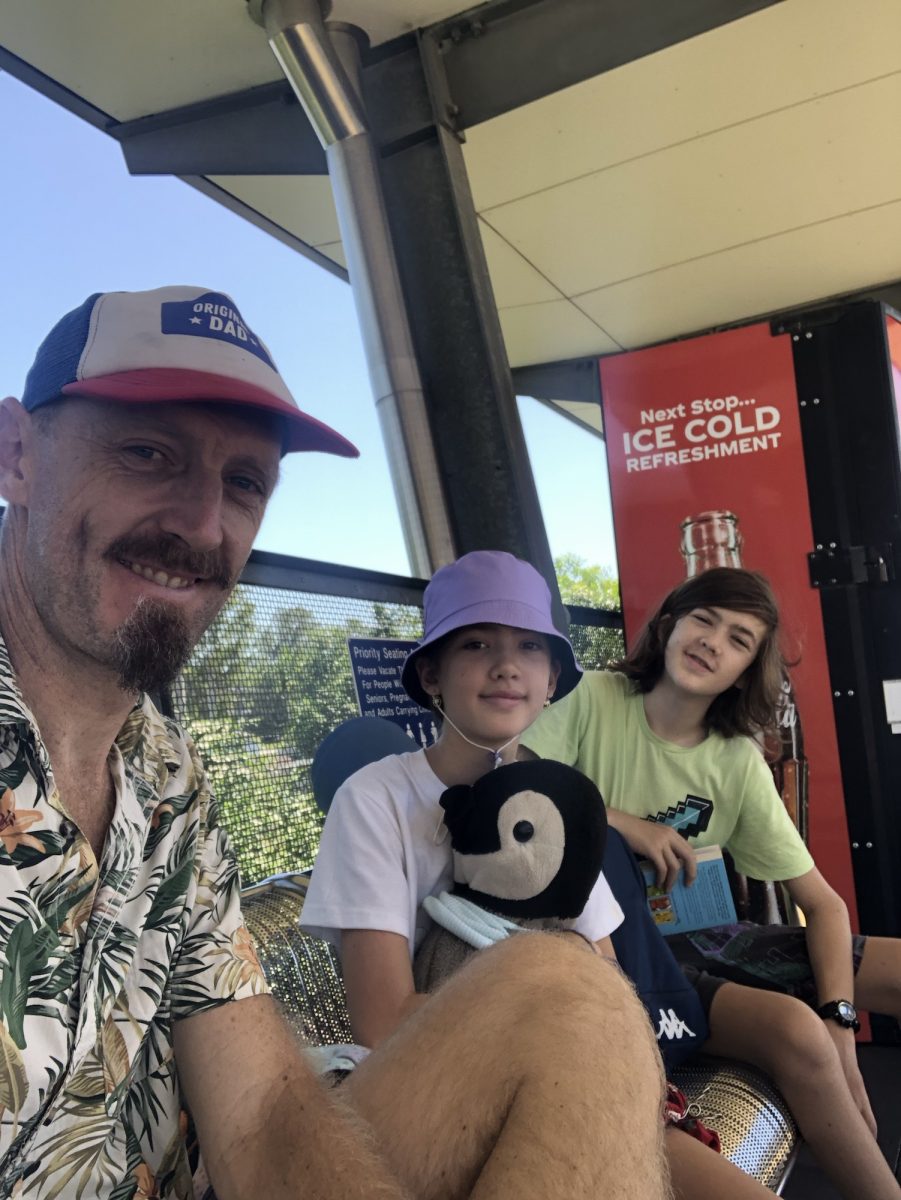
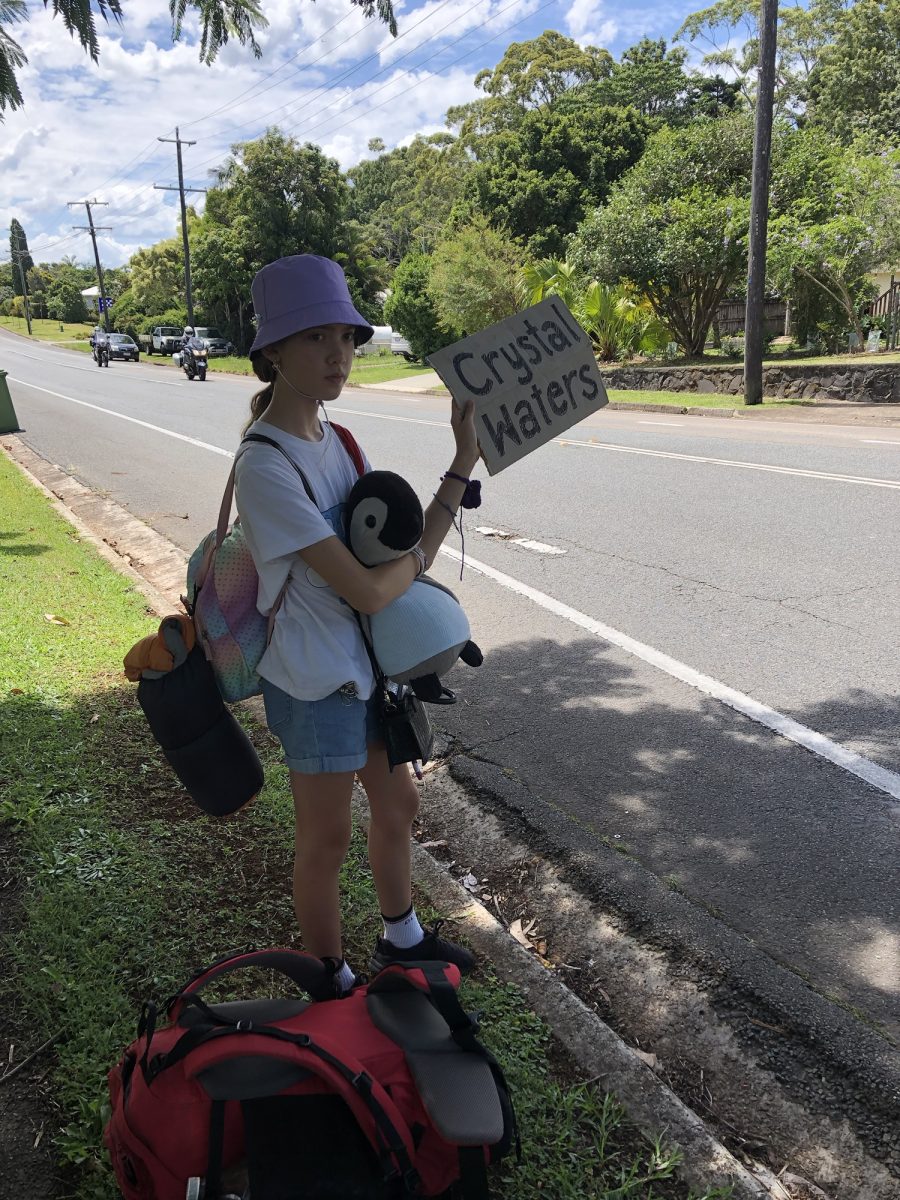
We felt it was unlikely anyone would have space for the four of us, so I took Dani and we went a further 100m to the next spot the trees leaned far enough over the road to offer some relief from the sun. Within less than ten minutes, Reagan pulled over for Emelie and Adam. She was just finished work when she learned her daughter had cut her hand and was at hospital in Maleny.
There was indeed space for all of us. Twenty minutes and some beautiful mountain scenery later we said goodbye to our new friend at the turnoff to the hospital.

Reagan told us about her work at IGA to reduce their food and packaging waste. She shared how they much prefer to mark down or even give away excess rather than bin it. Truly spoiled food is provided back to local farmers for compost, with the exception of orange peel. Another arrangement with a local industrial chemist looks to be solving that problem with processing of the peel into cleaning products.
They also have minimal waste from the deli by using any excess to prepare hot ready-to-eat meals. Unfortunately that practice is threatened by labeling legislation that requires the nutritional values to be displayed for all the food they sell. That’s feasible for regular products, but not those made up to specifically to use excess. Another case where best intentions for the consumer are having unintended negative consequences.
Diving into the Details
While disheartening they may not be able to continue that practice it was quite a relief to hear how much is being done to keep food waste out of landfill. Overall about 1/3rd of the food we produce in Australia is wasted. At least some of this is at the retail level, something we could be doing more about, personally. Aware of this, Emelie has been suggesting we check out our local dumpsters for the last couple of years. We had a couple of looks and found them empty. I rediscovered Robin Greenfield in November and found the courage to give it a proper go.
This coincided with conversations I had with a colleague from the Hot Futures Forum who has been redirecting food waste for a while as his personal mission. He said that most of the supermarkets have arrangements with care services to redistribute unsold items to food banks and shelters, but that none of them collect on the weekends.
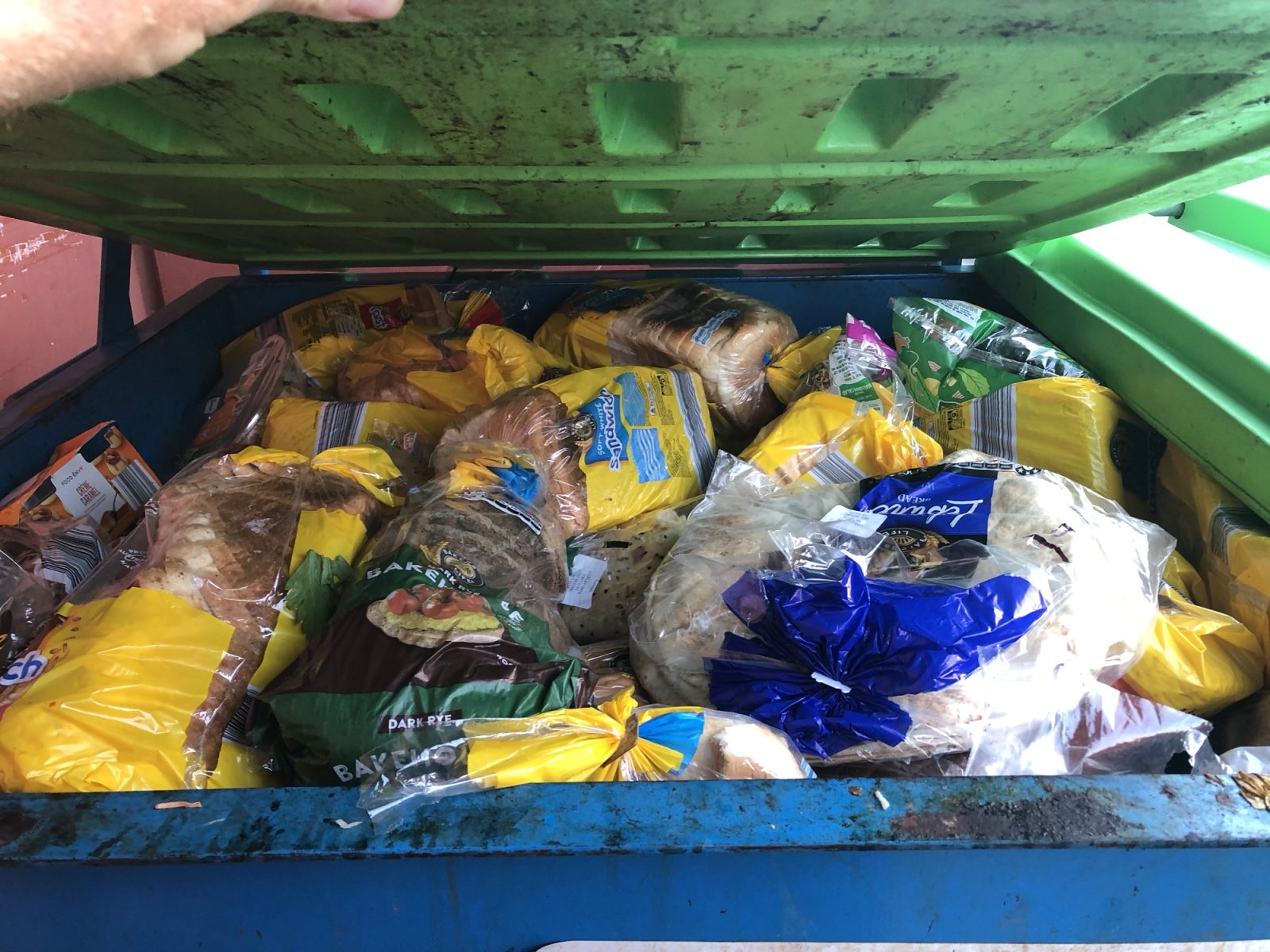
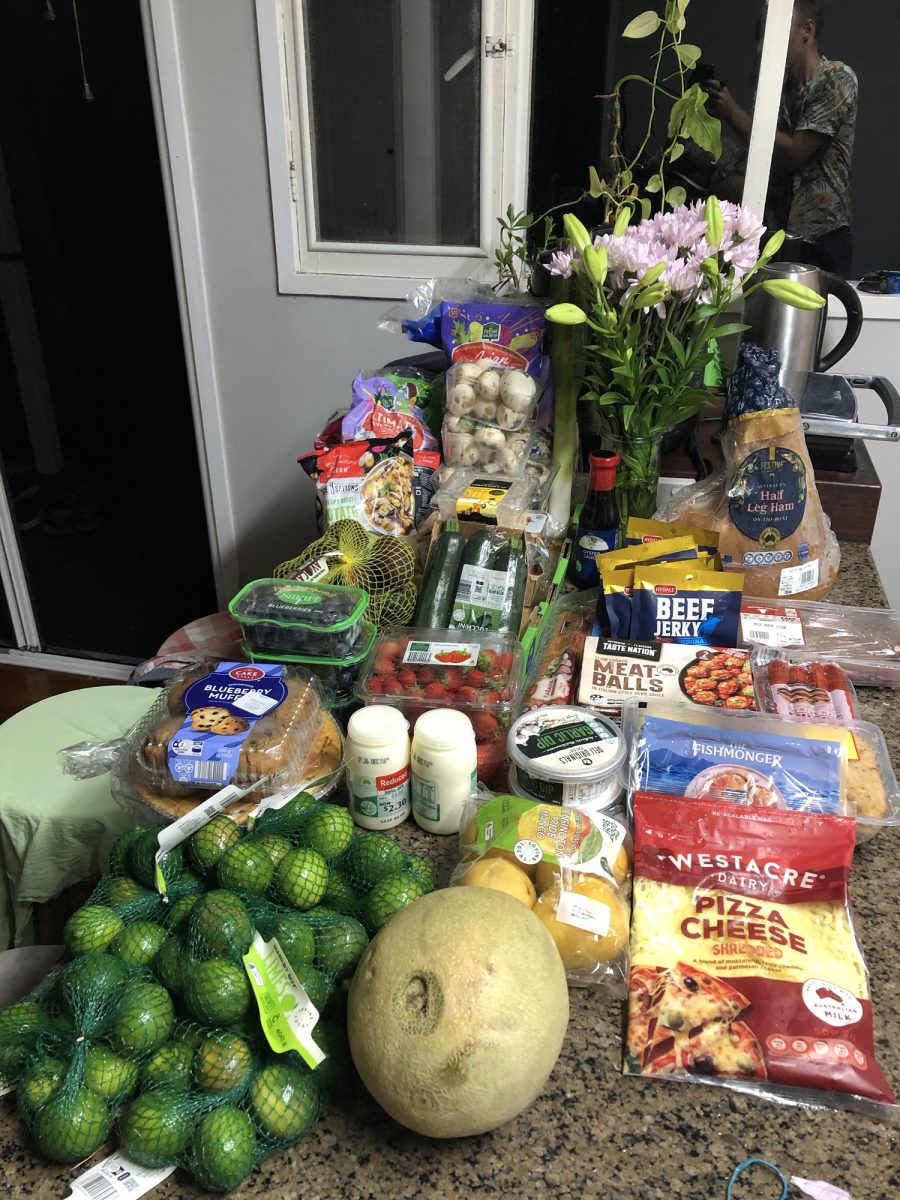
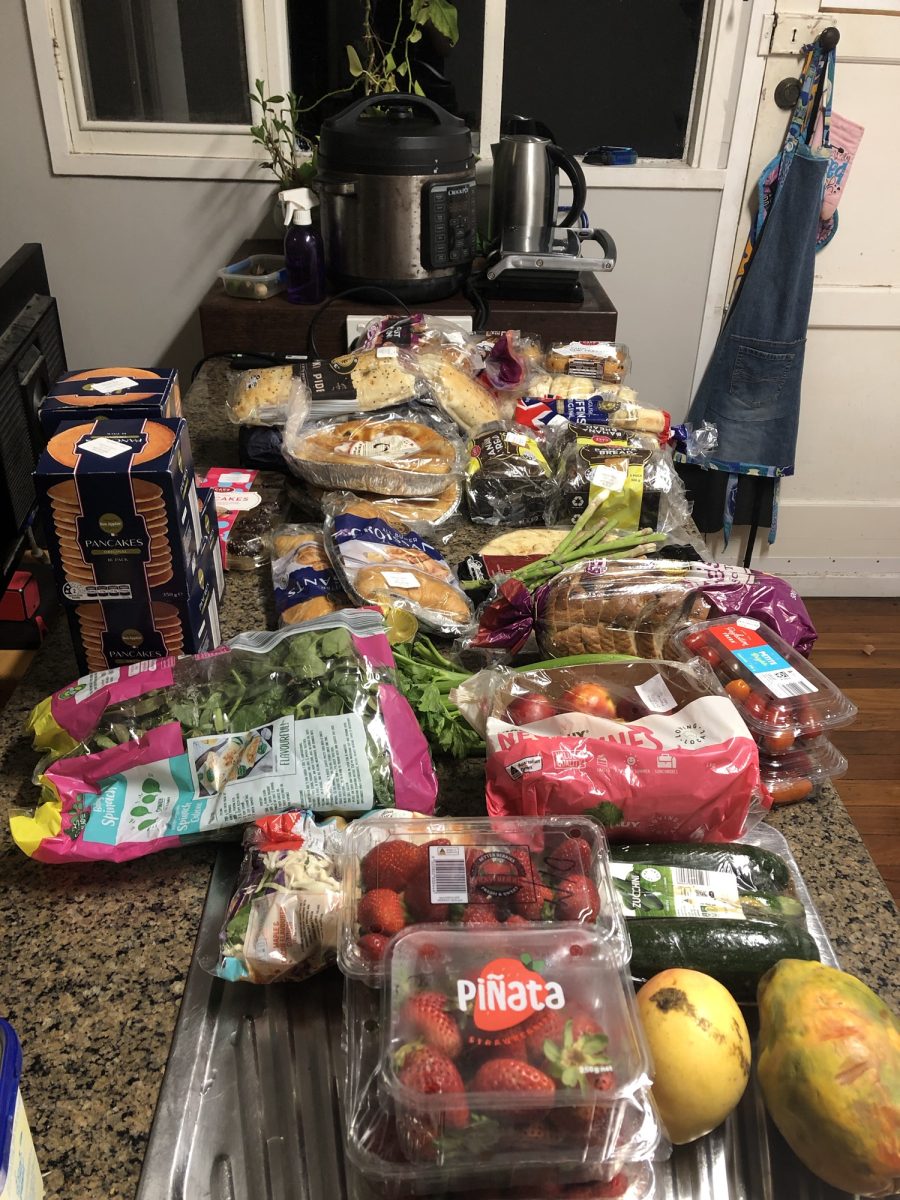
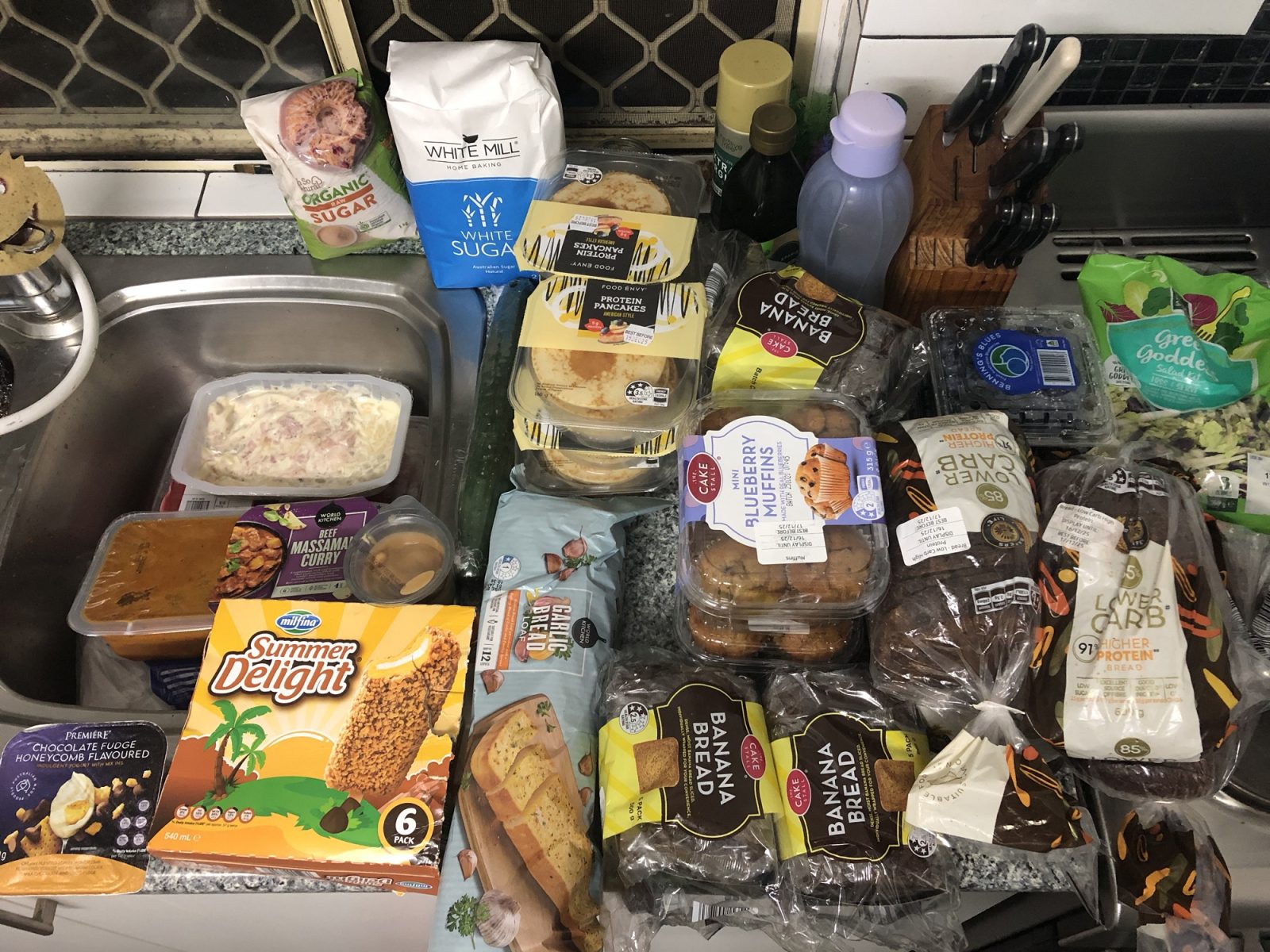
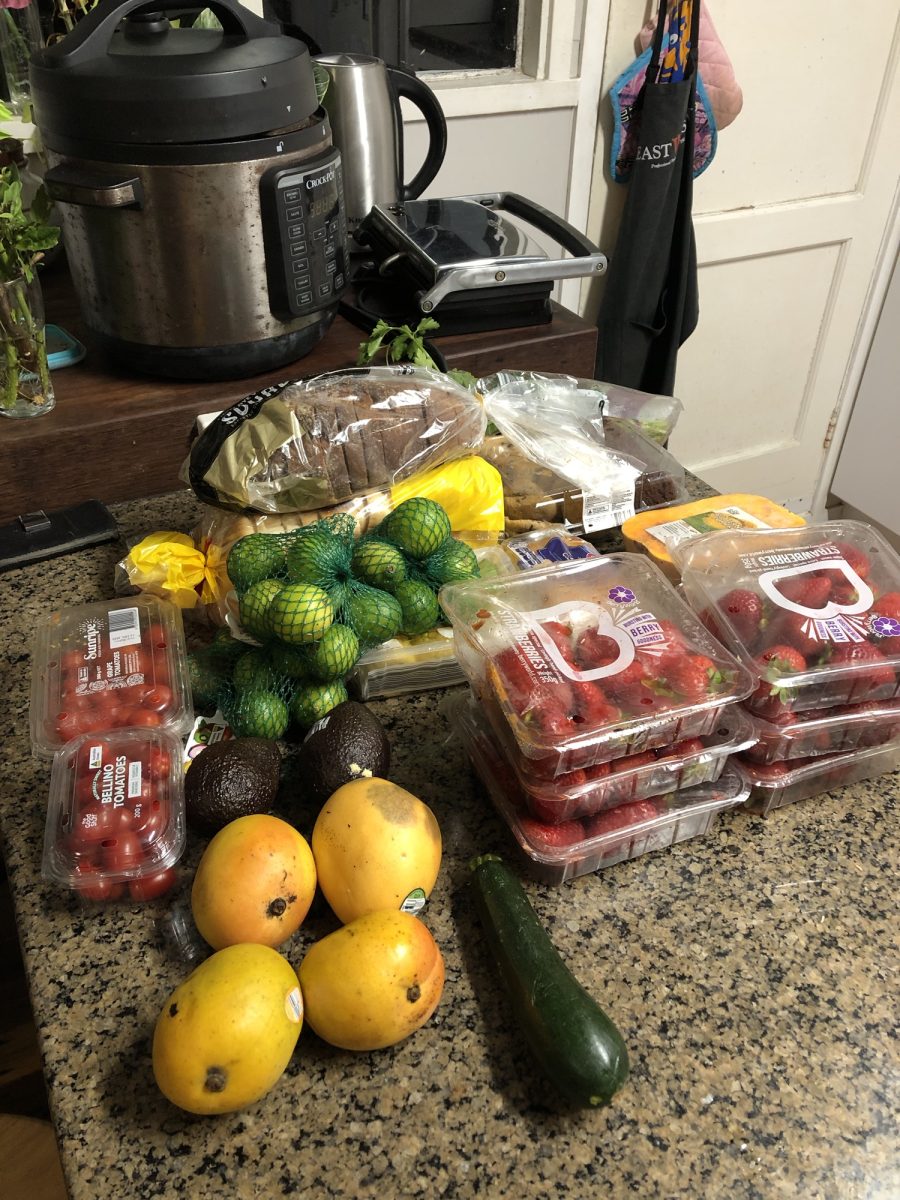
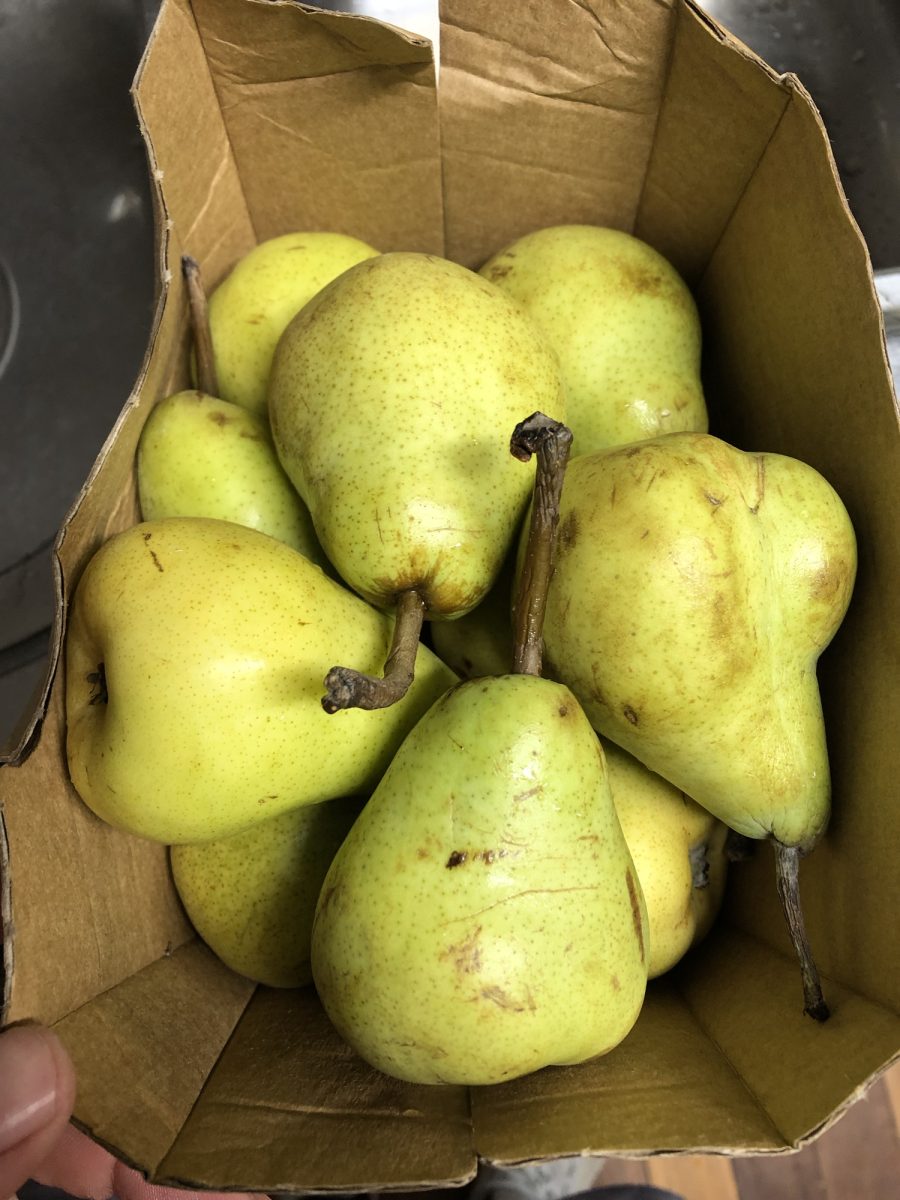
So we focussed our efforts, and after a few visits we found the Aldi bins are prominent, easily accessible and full on Sunday evenings. When we were there early enough the refrigerated items were still cool to touch. In Kingaroy we found there was fresh items every weekday evening we checked. The quality of those items suggests they don’t have the charity arrangements we heard about in Brisbane.
A Bounty We Would Be Better Without
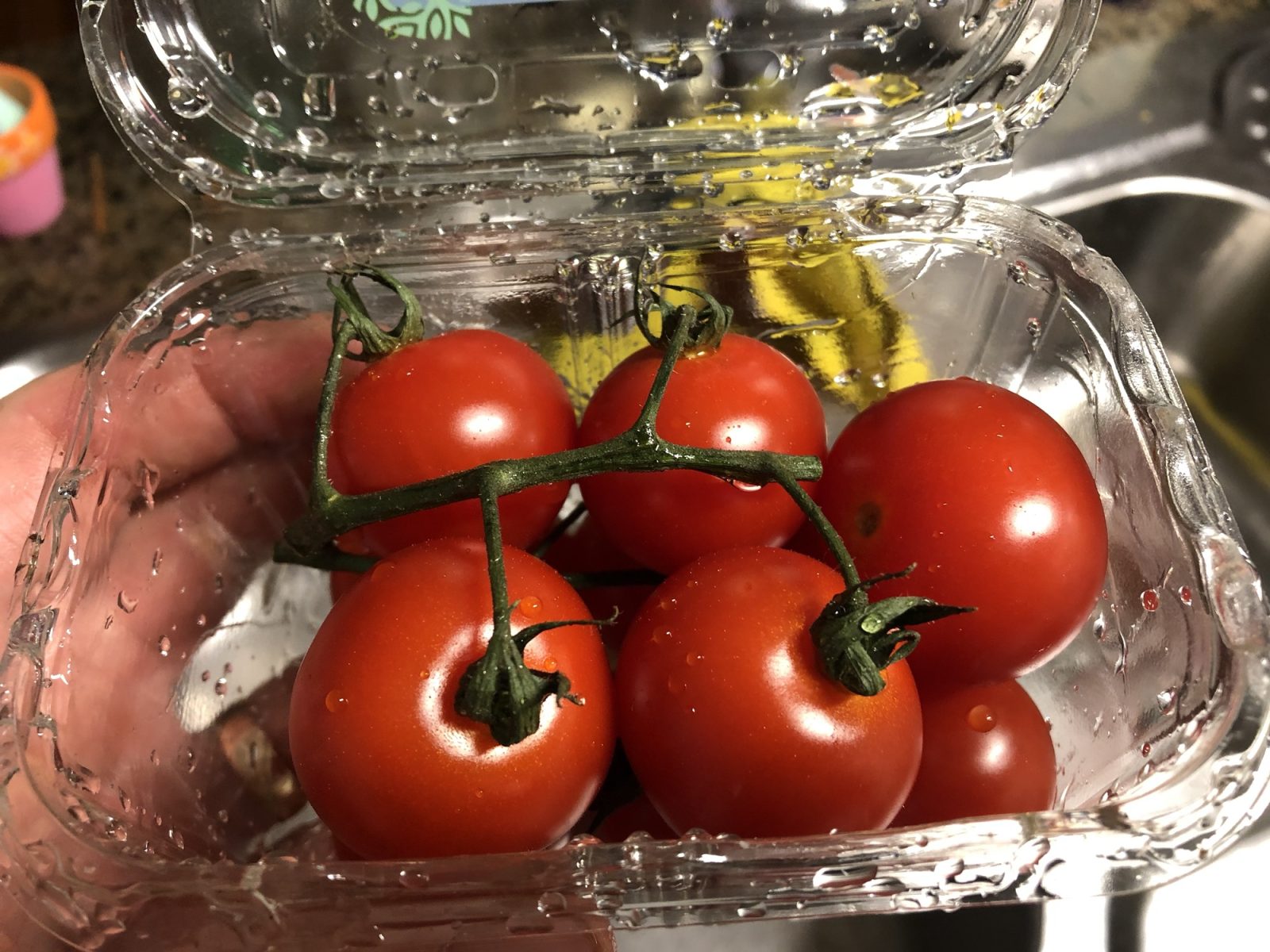
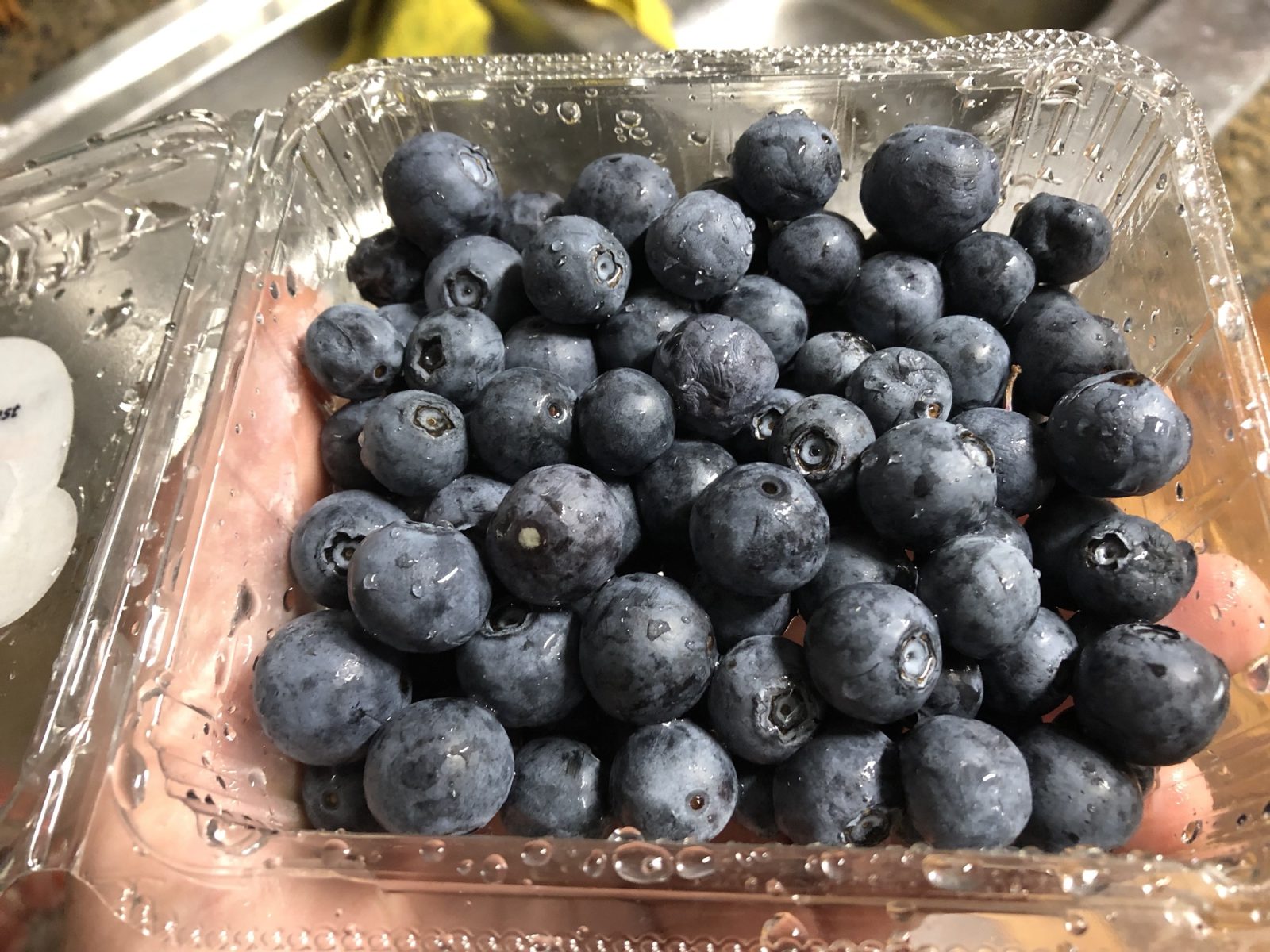
Much of the food in the bin is still perfectly edible. It is there because new stock has arrived and they need to clear the unsold stock to make room for it. Most common are the short shelf-life items: bread, muffins, berries and bagged salad. There is also items with damaged packaging or slight cosmetic imperfections or one damaged item in a pack, such as eggs and pre-packed produce. The other category is out-of-date items, usually best-before the same or next day. These are usually completely fine and offer an opportunity to trust our senses rather than a theoretical and often conservative shelf life. Items with damaged labels or spills on the outside make up a smaller portion.
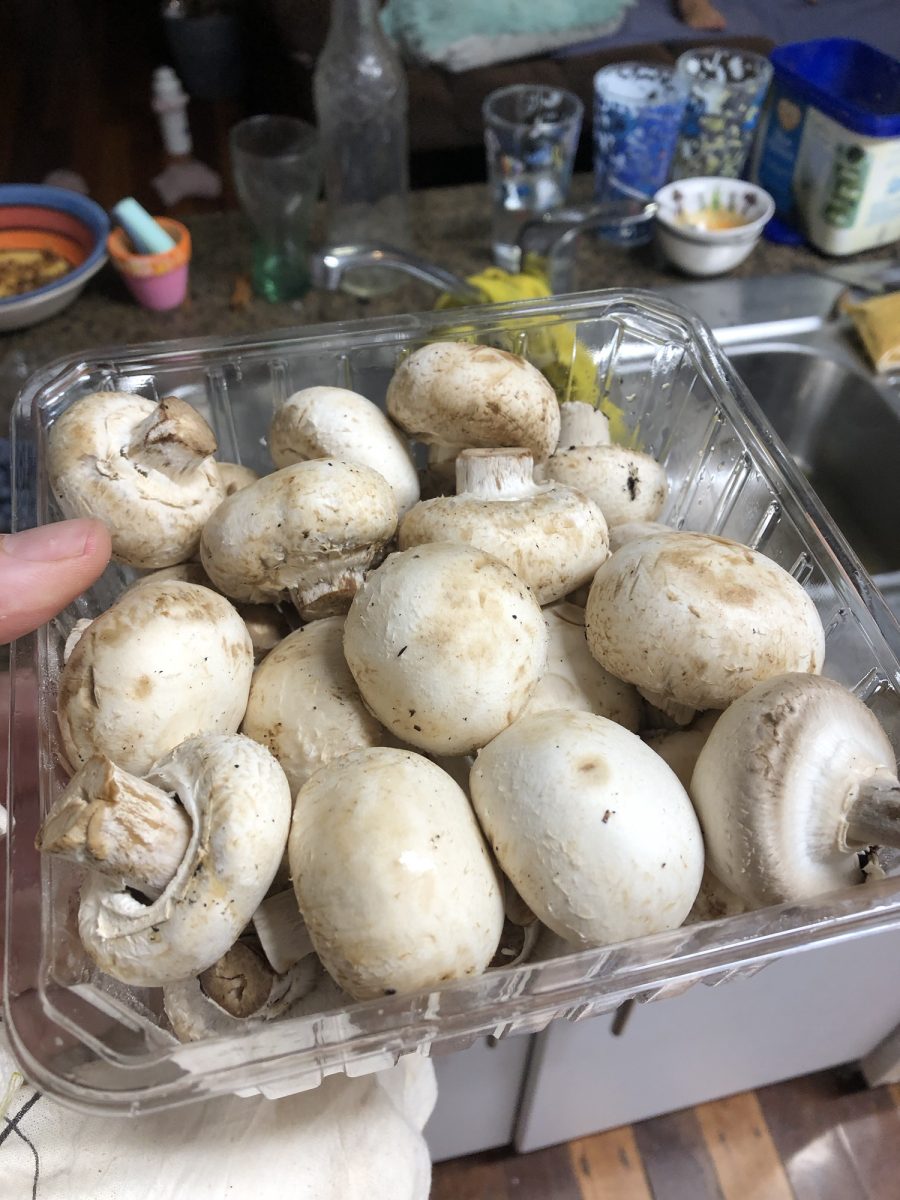
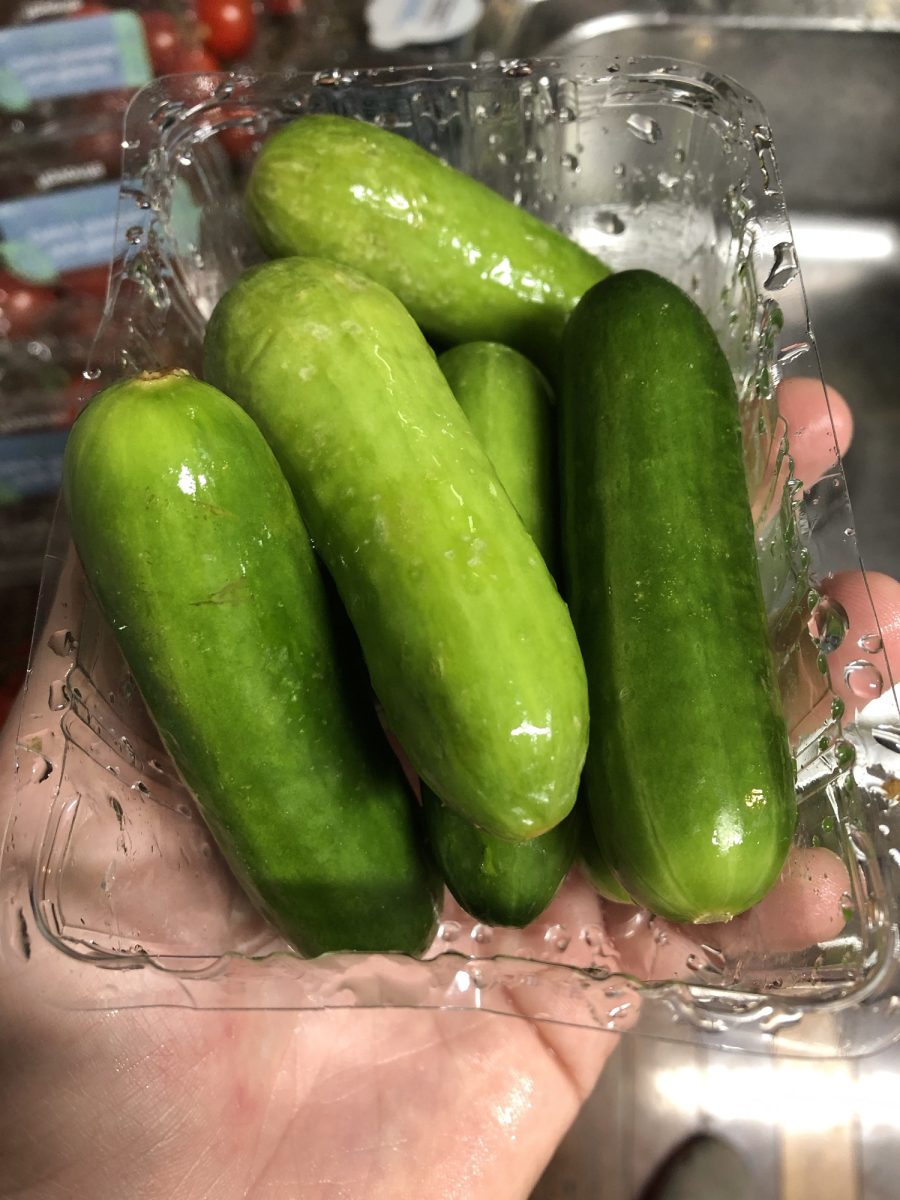
There is also a minority of products that are genuinely ready for composting, that could have been salvaged if recovered a day or two earlier. This is spoiled stonefruit, tomatoes, cut watermelon and corn cobbets. Unfortunately this is indiscriminately combined with the recoverable goods, so everything needs to be washed before being put away.
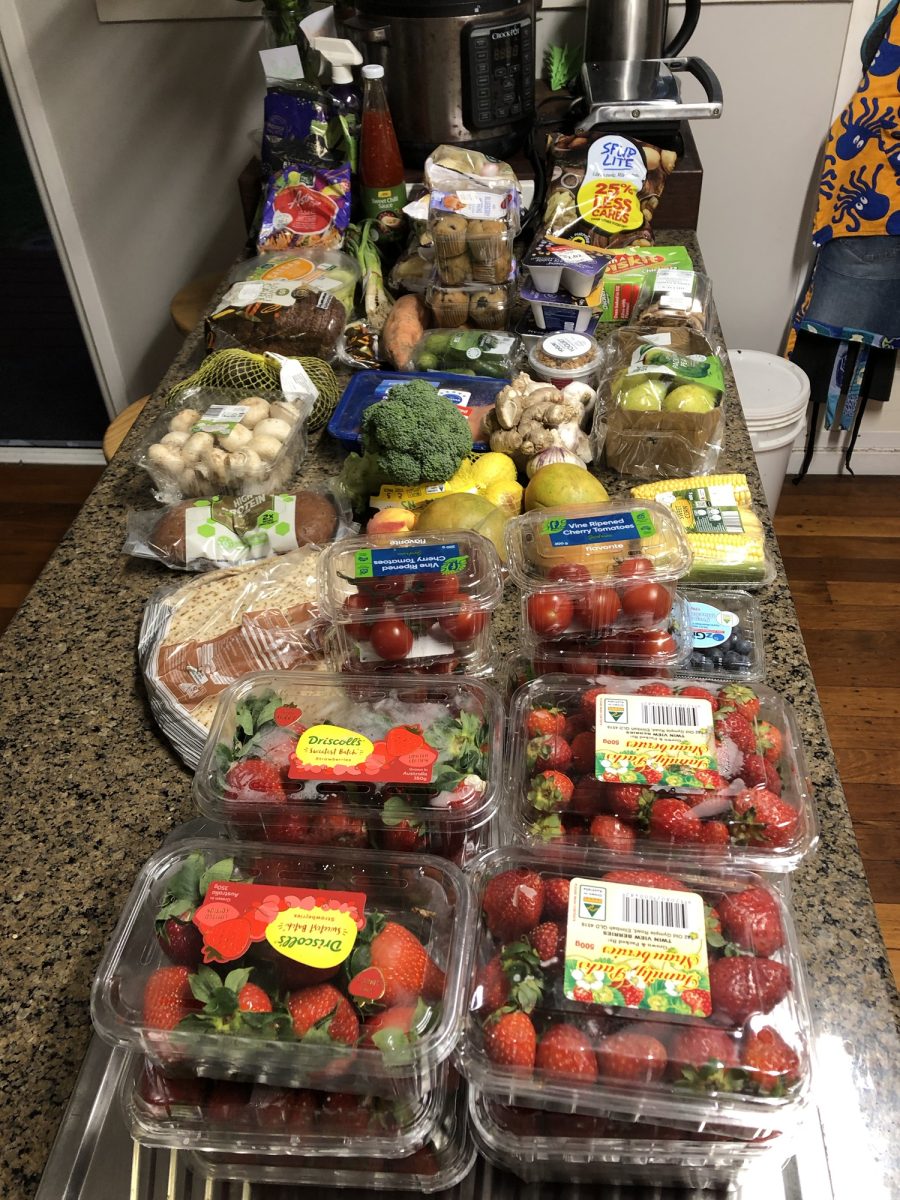
Since going back three or four Sunday evenings, Christmas Eve and a few weeknights in Kingaroy and Nambour we have easily recovered between $50 and $250 worth of food every visit, with the only real limit our ability to transport and store it. We are going to see what we can arrange to set up better distribution than what we can give away from home, but that’s a future project.
Care for the Common
Back in Maleny we got our new signs out and after another few minutes Katchia pulled over. Her car was full of groceries and gardening and maintenance supplies. She happily rearranged everything to make space for us and then we were under way. A true community champion, she is well known through the region as a teacher at the local River school. The alternative education model is defined as neo-humanist with key tenet of non-harm. She also co-houses with several other single mums in a an energy exchange model.
As a champion of true democracy and eco centric society Katchia has been involved in learning and sharing the indigenous legends providing connection to country. She relayed the significance of some of the local topography, such as a vantage point in which the Dark Emu constellation appears to touch the ocean at an important time of year. Unfortunately recent development activity mean this will never be visible again.
She also shared a little about the Bogong moth. During its 1000+km migration it navigates by the Milky Way. The survival of the species is threatened by light pollution. Katchia is involved in pending legislative changes and the research behind it that will make the Maleny area a Dark Sky Reserve within the next 10 to 15 years. It was an honour to meet someone so passionate and engaged with preserving what we have left.

At Crystal Waters we met so many more amazing people doing incredible things to make the world a better place. It was wonderful to be among kindred spirits. I really enjoyed having the opportunity to launch into in depth conversations around values and challenges. I sense several new friendships and mutually beneficial interactions ahead and was glad we faced those fears. We enjoyed a lovely refreshing swim in the cool clear water and Adam and Dani found instruments to play, nuts to open and books to read.
Back to Brisbane
Today we made our way back in much the reverse. We did have to walk about 2km with little shade before our first lifts arrived. This time we did split across cars, but travelled in convoy and had more great conversations.
There was a time when we had to share and when encounters with other people were inevitable. The independence and freedom we have worked so hard for is leaving us increasingly isolated. By choosing to be without some of the conveniences. By taking a chance on strangers, we are building connections every where we go. We’re rediscovering what it is to be human and how many amazing humans are out there. This offers a pleasant contrast to what we see of humanity through the lens of the internet and mass media.
As it was it the heat turned out to be no real issue, with a nice breeze and shady trees. The dumpsters didn’t eat us or sicken us and the one encounter with staff was a non-event. Maybe these particular activities are not for everyone, at least while there are other options, but it’s worth considering what have you been avoiding, out of fear?
One thought on “Facing our fears and feeding our family”
Comments are closed.